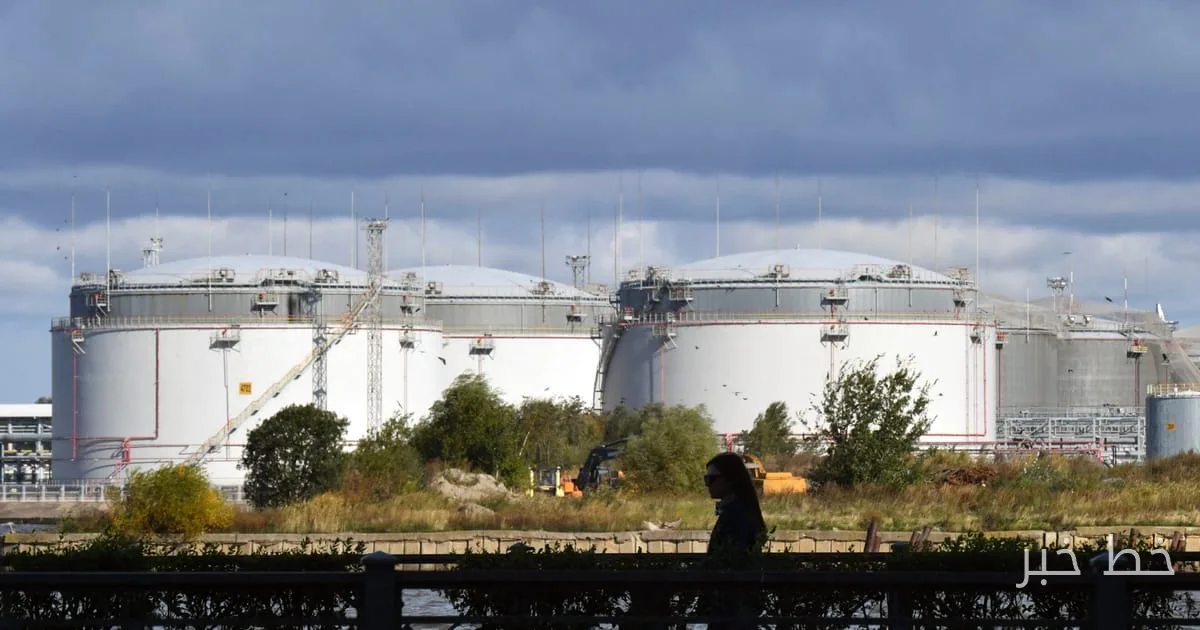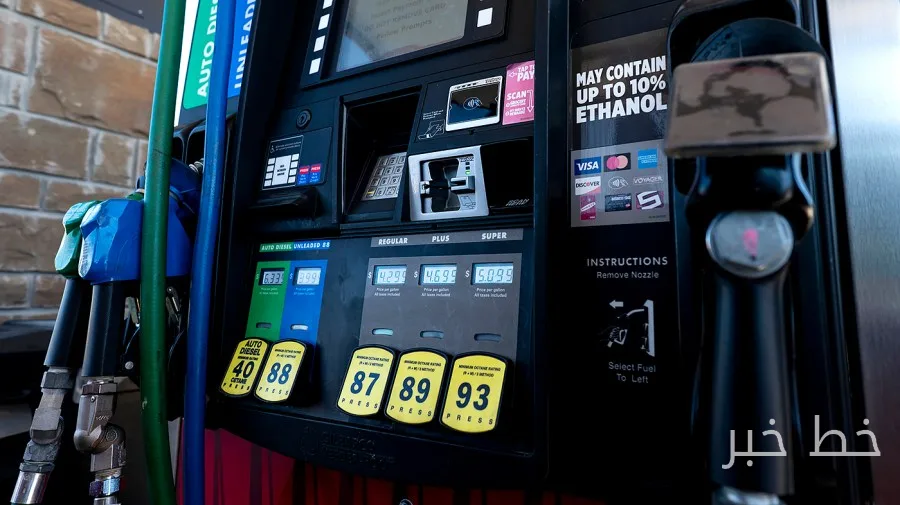
Oil prices reached their highest level since May 2023 on Friday. The war in Iran, which has been ongoing for nearly eight months, has put additional pressure on global oil prices. On Friday morning, Brent crude was trading at $116 per barrel, while West Texas Intermediate was around $102 per barrel.
Reasons for the Increase in Oil Prices
The increase in oil prices is attributed to various factors, including political and military tensions in the Middle East. The war in Iran is recognized as one of the main reasons for this increase, raising concerns about oil supply and increasing demand in the global market. This war has a direct impact on oil supply, and for this reason, many analysts predict that prices may remain high.
Read more: The UK government has approved the Jackdaw gas field
Economic Consequences
The increase in oil prices can have widespread economic consequences. Oil-producing countries may benefit from this price increase, but this situation can mean higher energy costs for consumers and businesses. In particular, rising oil prices can fuel inflation and impact transportation and production costs. This issue can lead to a decrease in consumers' purchasing power and consequently a reduction in economic growth.
Additionally, oil-importing countries may seek alternative resources and try to reduce their dependence on imported oil. These changes in the oil market can lead to strategic shifts in the energy policies of various countries.
Therefore, the increase in oil prices is not only related to the oil and energy market but can also have broader impacts on the global economy and international relations.
Read more: Abdolhossein Hemmati spoke about developments in the oil market · Baqaie reacted to the US Secretary of State's comments on the religious beliefs of Iranians