Oil prices experienced a significant increase on Thursday following reports that the White House is considering new options for an attack on Iran. These developments come less than a month before the November elections in the United States.
Increase in Brent and WTI Prices
The price of Brent crude, which is recognized as the global benchmark for oil prices, rose by 4.4% to $104.60 per barrel on Thursday morning. Additionally, West Texas Intermediate (WTI) crude also saw a 3.91% increase, reaching $97.68 per barrel. This price increase reflects the market's reaction to rising tensions in the Middle East and concerns about oil supply.
Read more: G7 Decides to Release 100 Million Barrels of Oil
Economic and Political Consequences
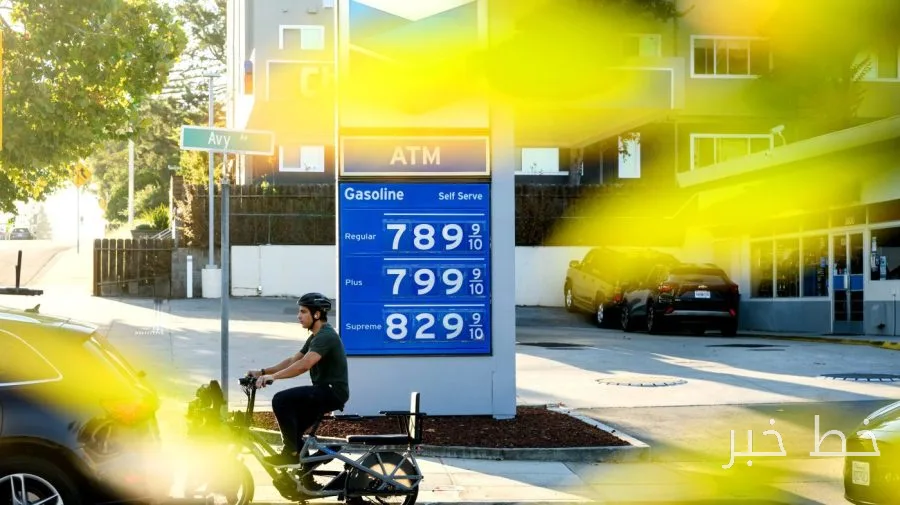
The rise in oil prices could have widespread economic and political consequences. Given that high oil prices can lead to increased fuel costs and consequently inflation, this issue could be particularly impactful in the lead-up to the November elections. Furthermore, these developments may affect U.S. foreign policy as well as relations with countries in the region.
Analysts believe that military tensions in the Middle East could lead to further volatility in the oil market. In this context, investors are closely monitoring news and developments related to Iran and its nuclear programs. The potential for military tensions and international reactions could lead to increased volatility in oil prices in the near future.
Read more: European Union Countries Will Release New Oil Reserves After Reviewing the International Energy Agency · Russell Hardy Warns About Shipping Crisis and $200 Oil Price