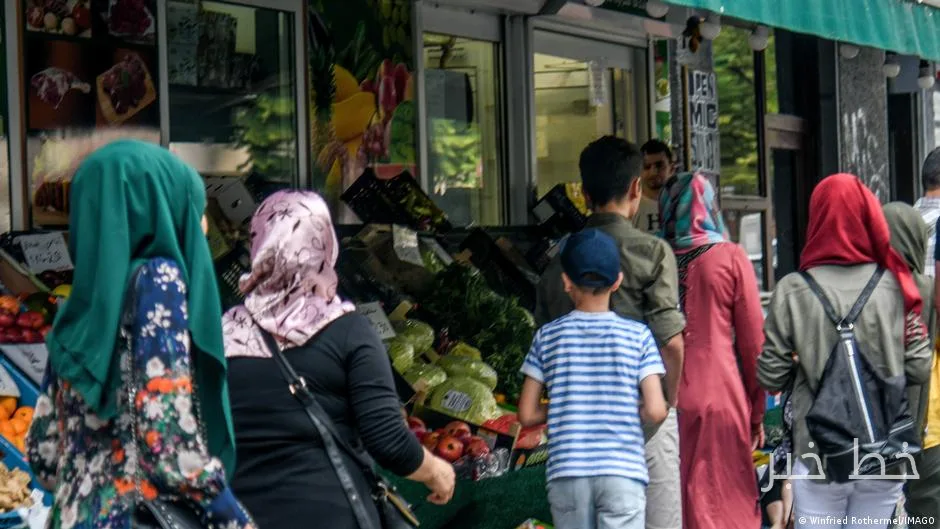
The civic elections in Berlin, known as a multicultural capital, are significantly influenced by the citizenship status of its residents. According to new statistics, one quarter of Berlin residents, which includes individuals from various nationalities, will not have voting rights in the elections due to lack of citizenship. This issue has raised concerns about democracy and civic participation in the city.
High Ratio of Residents Without Voting Rights
This ratio represents the highest number of excluded residents from voting rights in the history of Berlin elections. Berlin, with its rich history of immigration, has always welcomed individuals from various nationalities. However, the inability of these individuals to participate in elections raises serious questions about social justice and democracy.
Dissatisfaction and Demands of Residents
Many Berlin residents who lack voting rights are dissatisfied with this situation and are calling for changes in the laws regarding citizenship and voting rights. They believe that the right to participate in local and national decision-making should be available to all residents, regardless of their citizenship status. This dissatisfaction could lead to the formation of social and political movements for legal changes.
Overall, this situation reflects the challenges present in multicultural communities. While Berlin is recognized as a successful example of cultural coexistence, the inability of some residents to participate in democratic processes can lead to division and dissatisfaction.