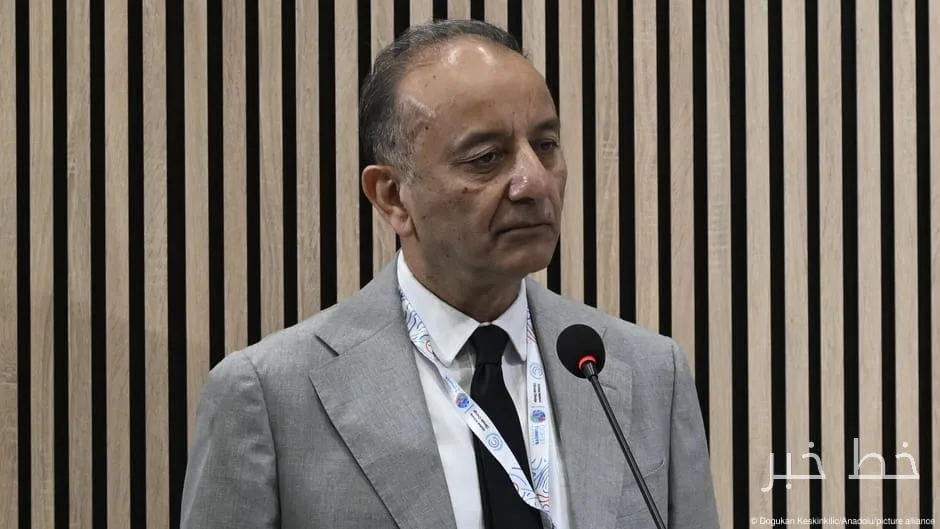
Pakistan's Climate Change Minister, Sherry Rehman, arrived in New Delhi on Friday to participate in a cultural meeting of the Shanghai Cooperation Organization (SCO). This visit marks the first trip by a federal minister of Pakistan to India since Bilawal Bhutto Zardari attended the SCO meeting in Goa, India, in May 2023, and it is also the first visit following tensions between the two countries last year.
Conducting Cultural Dialogues
The Prime Minister of India, Narendra Modi, is set to inaugurate the cultural dialogues of this meeting, which will take place from November 20 to 22. India had invited Pakistan's Minister of Culture in October, but Islamabad sent Sherry Rehman instead.
Read more: Pakistan's Climate Change Minister Travels to India
The Pakistan Foreign Office announced that Rehman will present her country's views on intercultural dialogues and will also meet with other members of the Shanghai Cooperation Organization on the sidelines of this meeting. Rehman stated that this visit does not signify bilateral negotiations and it is not expected that the cold relationship between the two countries will improve.
Criticism of the Pakistani Minister's Visit
This visit comes at a time when the aftermath of the four-day conflict between India and Pakistan in 2025, which was triggered by the Pulwama attack that claimed the lives of at least 70 people on both sides, is still being felt. Additionally, this visit occurs two days after the killing of Lashkar-e-Taiba commander, Latif Bhatti, in a clash with Indian forces.
Opposition leaders have sharply criticized the Indian government's decision to host Rehman. Fakhar-ul-Haq Chand, leader of the Samajwadi Party, stated: "The BJP always says that dialogue and terrorism cannot coexist. But now, a Pakistani minister has traveled to India to participate in the SCO meeting."
Pramod Tiwari, a Congress party MP, also referenced Rehman's previous statements about the Indus Waters Treaty, describing her language as similar to that of a "terrorist." Earlier this year, Rehman had referred to the suspension of the Indus Waters Treaty following the Pulwama terrorist attack and warned of "water aggression," urging India to respect the 1960 treaty.
Rehman had stated: "Anyone who touches our waters will have their hands cut off." These remarks have heightened tensions between the two countries.
India's Domestic Issues
Alongside these developments, the United States Commission on International Religious Freedom (USCIRF) announced on Thursday that India is increasingly targeting religious minorities. The commission reported that during a review of the voter list, around 130 million names were removed, marking the largest removal in India's history.
Asif Mahmood, head of USCIRF, stated in a statement that the Indian government is targeting Muslim citizens by removing them from voter lists and labeling them as "foreigners." India is also implementing a separate plan to identify and deport illegal immigrants, while removal from voter lists does not in itself prove that a person is a foreigner.
The Election Commission of India oversees a nationwide review of voter lists, requiring voters to prove their eligibility to remain on these lists. However, critics argue that the commission has acted beyond these limitations.
Overall, the Pakistani minister's visit to India occurs against a backdrop of historical tensions and India's domestic challenges, and it appears that this visit may not lead to an improvement in relations between the two countries.
Read more: Trilateral Meeting of Xi Jinping, Donald Trump, and Vladimir Putin in Shenzhen · Border Clash Between Indian and Chinese Forces in Arunachal Pradesh