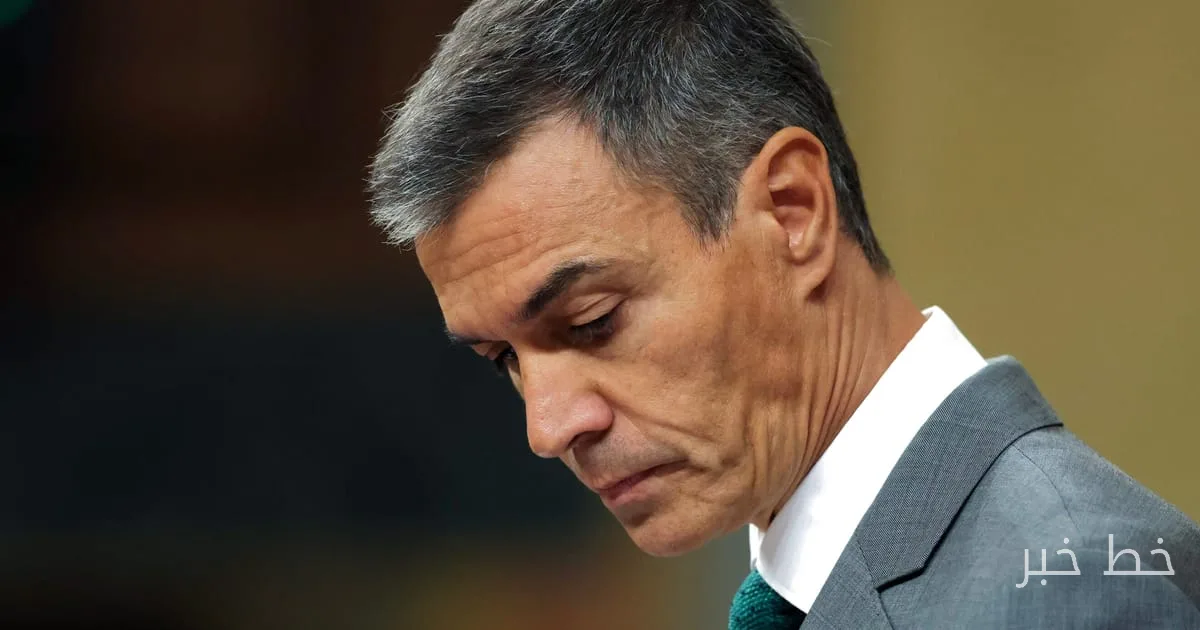
Pedro Sánchez, the Prime Minister of Spain, may call for early elections if the housing bills fail in an emergency parliamentary session. Senior members of the Spanish government raised this possibility on Friday.
Housing Bills and Nationwide Protests
The Sánchez government presented two housing bills on Tuesday aimed at curbing speculative activities, protecting vulnerable tenants until 2030, and automatically extending rental contracts. These decisions were made following widespread protests that erupted after the eviction of 87-year-old Mari Carmen Abascal from the apartment she had lived in since 1956.
Initially, it seemed there was enough support to pass at least one of these bills in parliament. However, on Thursday, the Catalan separatist party “Junts,” which takes a conservative view on property rights, announced its opposition to both bills, which would lead to their failure.
Sánchez's Response and Political Pressures
Sánchez responded firmly to the situation, stating on platform X that he would not withdraw the bills and described the parliamentary vote as a turning point. He said, “The hour of truth has arrived,” adding that lawmakers are obliged to vote on measures that will be decisive for generations.
Anonymous government sources told the newspaper “El País” that if the bills fail, Sánchez is inclined to move towards calling early elections. In an interview with “Cadena Ser,” Yolanda Díaz, the Deputy Prime Minister, mentioned that she had spoken with Sánchez and refrained from ruling out early voting.
The current legislative term in Spain ends next summer, and speculation about Sánchez possibly calling for early elections has increased as he faces pressure from the immigration crisis in Ceuta and corruption cases involving family members and political associates.
Given that housing has always been one of the main concerns for Spaniards, Sánchez may want to leverage public discontent and portray the opposition as an obstacle to resolving this crisis.
The People's Party, which is on the right, is leading in electoral polls with 34% support. The “Vox” party is also polling at 18%. Both parties oppose measures that challenge property rights and instead call for deregulation and incentives for private landlords.
The vote request on Friday comes at the behest of Sánchez's Socialist Party and the left-wing “Sumar” party, and the voting will be conducted manually, forcing representatives to show their positions on the government's housing bills. This may be a good opportunity for the Prime Minister to frame the opposition as barriers to efforts to resolve the crisis.
This vote in parliament coincides with nationwide protests regarding the housing crisis, with protest camps set up in major Spanish cities. At the start of the session, protesters in Madrid moved towards the Spanish parliament and faced over 1,000 national police officers stationed to protect the building.
The Spanish Tenants' Union, which is leading the protests, has called for a general strike and announced that they will continue to occupy “Puerta del Sol” in Madrid until their demands are met.
The national government of Spain is currently refusing requests from local and regional governments in Madrid to clear the square. Isabel Díaz Ayuso, the right-wing regional president, has filed a lawsuit demanding that Sánchez's government be ordered to clear the protests in Madrid; a ruling is expected to be issued this afternoon.