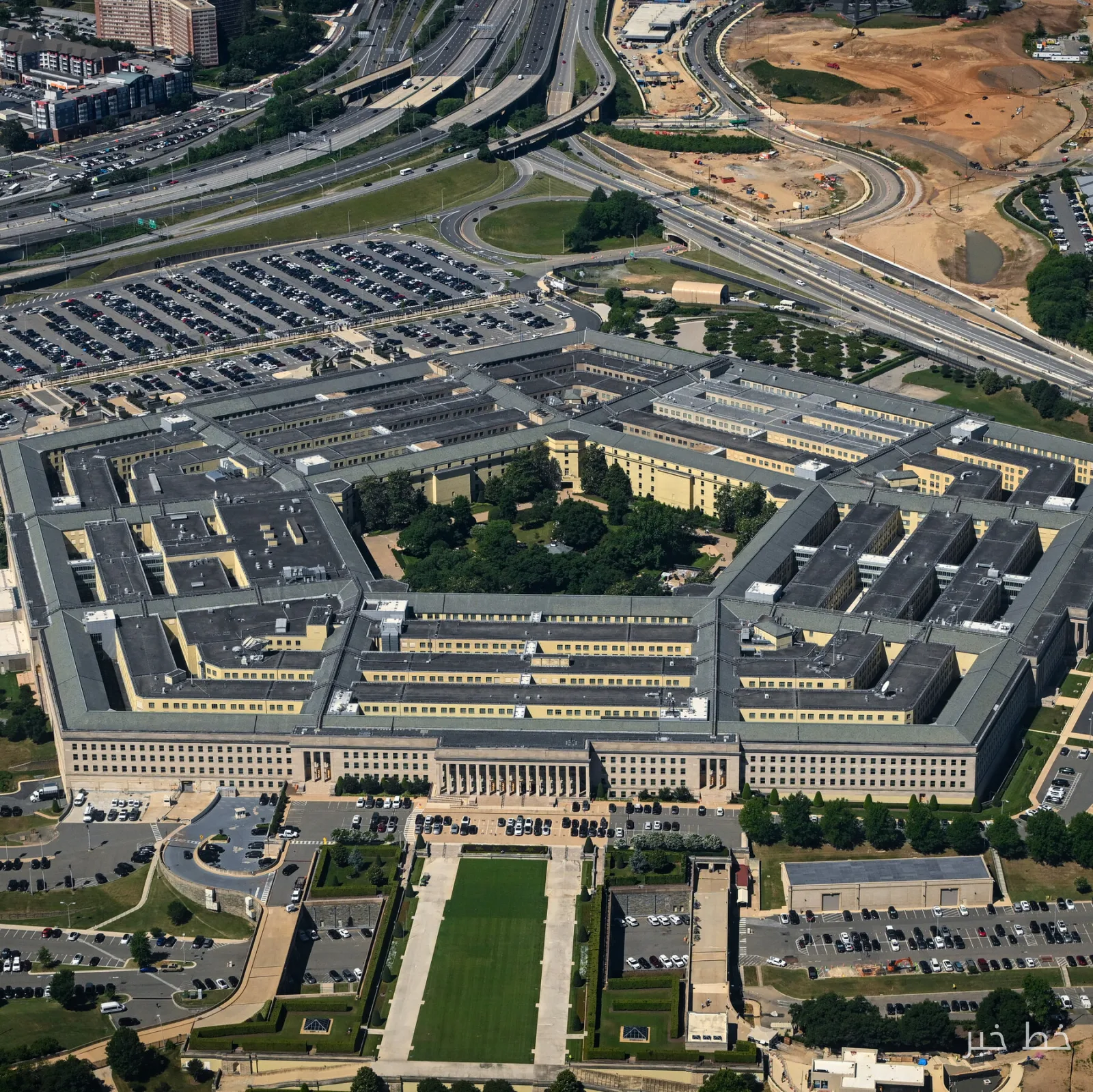
The new agreement between the United States Department of Defense and the National Institutes of Health (N.I.H.), which addresses the role of the Department of Defense in biological defense and pandemic preparedness, has attracted significant attention and raised serious concerns among Democrats. This agreement allows the Department of Defense to play a key role in health and biological fields, but this may lead to a "financial encroachment" by the Pentagon.
Democrats' Warnings
In response to this agreement, Democrats have pointed out the dangers that may arise from the increased power of the Department of Defense in the public health sector. They believe this could mean a shift of health budgets towards military projects, while these resources should be spent on improving public health infrastructure and combating diseases.
On the other hand, supporters of the agreement argue that the integration of military and health forces could help improve responses to health crises. They argue that the Department of Defense, with its experience and resources, can respond to crises more effectively and prevent potential pandemics.
Uncertain Future
However, the answer to the question of whether this agreement will truly benefit public health or only serve military interests remains unclear. Many experts point out that in the current circumstances, transparency and oversight of such agreements are essential to prevent potential abuses.
Ultimately, this agreement may mark a turning point in how health crises are managed, but the Democrats' concerns about the potential for financial abuse cannot be overlooked. It remains to be seen how this new collaboration will impact the future of public health in the United States.