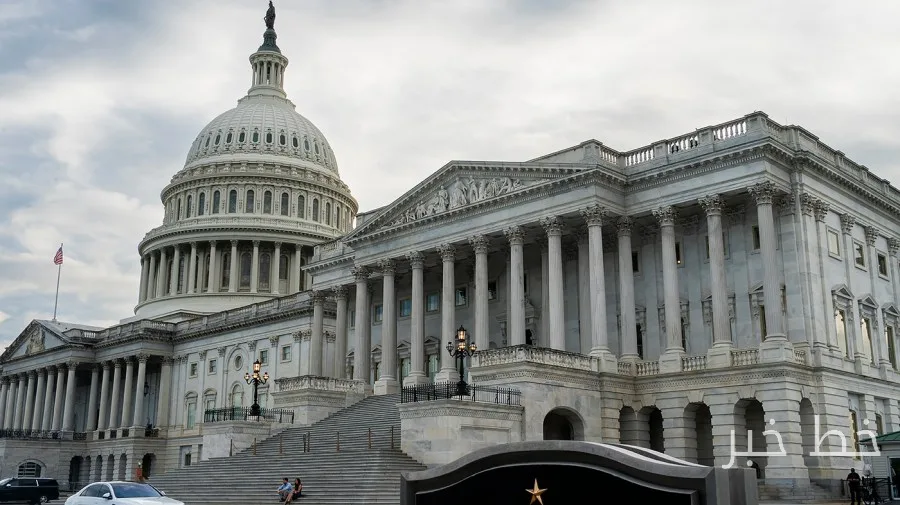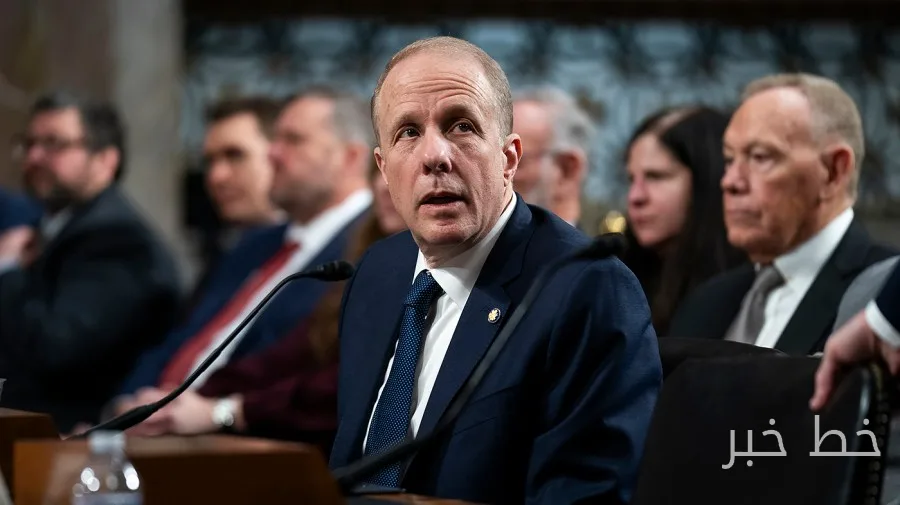
In recent weeks, the Pentagon has ramped up its efforts to garner congressional support for the $1.5 trillion defense budget requested by President Trump. This budget represents a new record in U.S. military history and aims to strengthen the country's military capabilities and national security.
Senators' Concerns Over Delays in Efforts
Despite the Pentagon's efforts, some Republican senators have expressed concern that the department has lost time needed to build the necessary coalition. These senators believe that a lack of coordination and poor timing could reduce the chances of this budget being approved, especially when support from other congressional representatives is required.
Read more: Poll shows that nearly half of young voters have a negative view of capitalism
Dimensions and Implications of the Defense Budget
The proposed $1.5 trillion budget includes new weapons programs, research and development, and improvements to military infrastructure. Experts believe that this budget increase could have significant impacts on the U.S. defense industry and create new job opportunities in this sector. Additionally, this budget will help strengthen the United States' position globally and solidify the country's role as a prominent military power.
However, some critics have pointed to the high costs and potential negative impacts of this budget on other social and economic areas. In particular, there are concerns about the allocation of resources to social programs and public health that may be affected by this budget.
The Pentagon needs to address these concerns more carefully and seek to create agreements that not only meet defense needs but also consider the needs of other sectors. In the absence of a comprehensive strategy, these efforts may face greater challenges.
Read more: Trump administration asks Supreme Court to resume deportations to other countries · Jim Copenhaver dies following shooting at Trump campaign rally