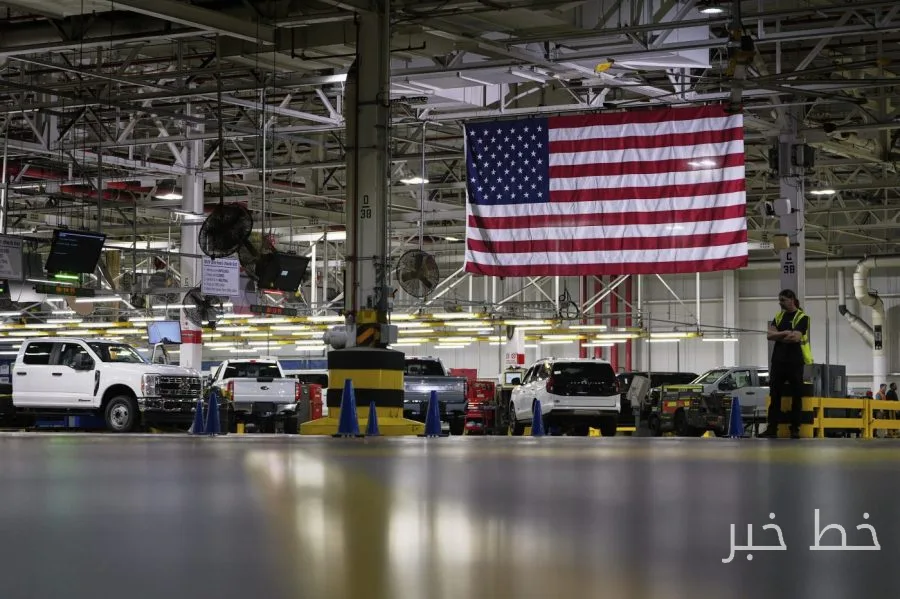
The Pentagon (United States Department of Defense) has recently initiated negotiations with Ford to supply vehicles and other products for the United States Army. This decision is part of the Department of Defense's efforts to strengthen domestic production and enhance the country's military capabilities.
Need to Strengthen Domestic Production
Given the recent challenges in the global supply chain and the need to enhance military capabilities, the Pentagon is seeking collaboration with major industrial companies. Ford, as one of the largest automobile manufacturers in America, has been identified as a key partner in these negotiations. Supplying military vehicles through domestic production can help reduce dependence on imports and increase national security.
Details of the Negotiations
The precise details of these negotiations have not yet been officially announced, but sources close to the matter say that the Pentagon is looking to procure various types of vehicles, including armored vehicles and other military transport. This action is part of the Department of Defense's broader plans to modernize and update military equipment, which is deemed necessary due to technological advancements and changes in global threats.
Additionally, these negotiations reflect the Pentagon's desire for closer collaboration with the automotive industry and new technologies. Given the rapid developments in technology and the need to improve military efficiency, collaboration with companies like Ford could enhance the quality and effectiveness of military equipment.
Potential Consequences
If these negotiations lead to a final agreement, it could result in increased production of military vehicles in America and also create new job opportunities in this industry. This action could also help enhance the competitiveness of domestic industries and strengthen the national economy.
Ultimately, the Pentagon's collaboration with Ford emphasizes the importance of meeting military needs through domestic production and represents a new approach by the Department of Defense in facing global challenges. These negotiations could serve as a model for future collaborations between the government and industry and help strengthen the country's defense infrastructure.