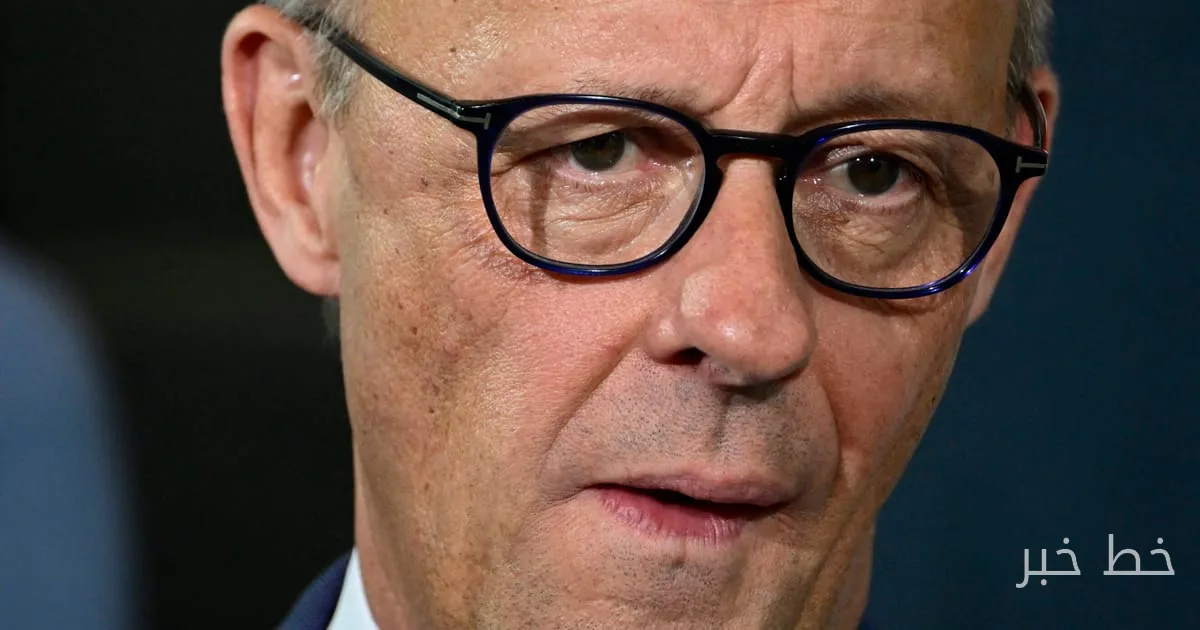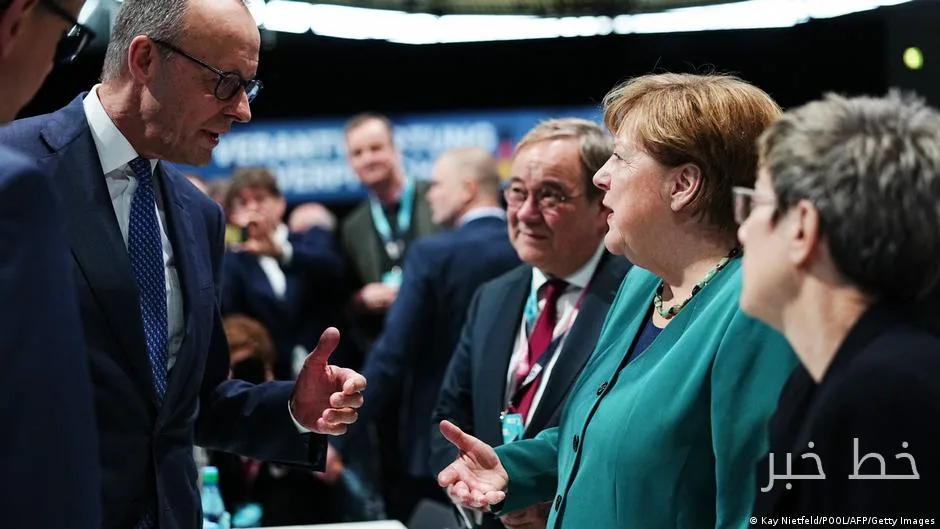
A new poll conducted by YouGov shows that 48% of Germans believe Angela Merkel, the former Chancellor of Germany, is more suitable than Friedrich Merz, the current Chancellor, to manage the country's challenges. This poll comes as Merz travels to Kyiv to support Ukraine against the Russian invasion.
Current Challenges in Germany
Germany is currently facing many challenges, including economic recession, rising energy prices, an aging population, and foreign policy challenges stemming from Russia's invasion of Ukraine. Since taking office as Chancellor in May 2022, Friedrich Merz has faced negative polls and the lowest levels of public support. In contrast, Angela Merkel, who served as Chancellor from 2005 to 2021, is seen in these polls as a stronger option for managing these challenges.
Poll Results
The results of this poll indicate that 29% of Germans believe both leaders are equally capable of facing Germany's problems. Meanwhile, only 8% of respondents considered Merkel less suitable than Merz, and another 15% either did not answer the question or did not know. This poll clearly reflects public dissatisfaction with Merz's performance as Chancellor.
Both Merz and Merkel are from the Christian Democratic Party, but over the years they have become political rivals. Merkel is recognized as one of the most influential political leaders in Germany, having contributed to stability and economic progress during her tenure.
Merz's Trip to Kyiv
Friedrich Merz has traveled to Kyiv alongside Katrin Reich, Germany's Minister of Economy, and other economic figures. This trip aims to announce new military aid to Ukraine and other initiatives to support the country against the Russian invasion. Ukraine is now in its fifth winter since the war with Russia began, and this trip is seen as a symbol of Germany's solidarity with Ukraine.
Anti-War Protests in Germany
In recent days, thousands have protested in Berlin and Stuttgart against the war, increasing militarization, and the possibility of conscription. Protesters called for an end to all economic sanctions and the sending of weapons, instead demanding an increase in social spending. In Berlin, police estimated the number of protesters at 5,800, while organizers claimed it was 20,000.
Day of German Unity
The official celebrations for the Day of German Unity were held in Bremen, where Andreas Bovenschulte, the Mayor of Bremen, symbolically transferred this responsibility to Hendrik Wüst, the Prime Minister of North Rhine-Westphalia, who will take over the presidency of the Bundesrat on January 1. Wüst stated at the ceremony, "Unity and solidarity are never a finished job" and emphasized the importance of continuing dialogues and collaborations.
Despite significant progress made in the 30 years since German reunification, the economies of the eastern states of Germany still lag behind those of the western states. Studies show that by 2025, the eastern states will only account for 79% of the economic level of the western states.