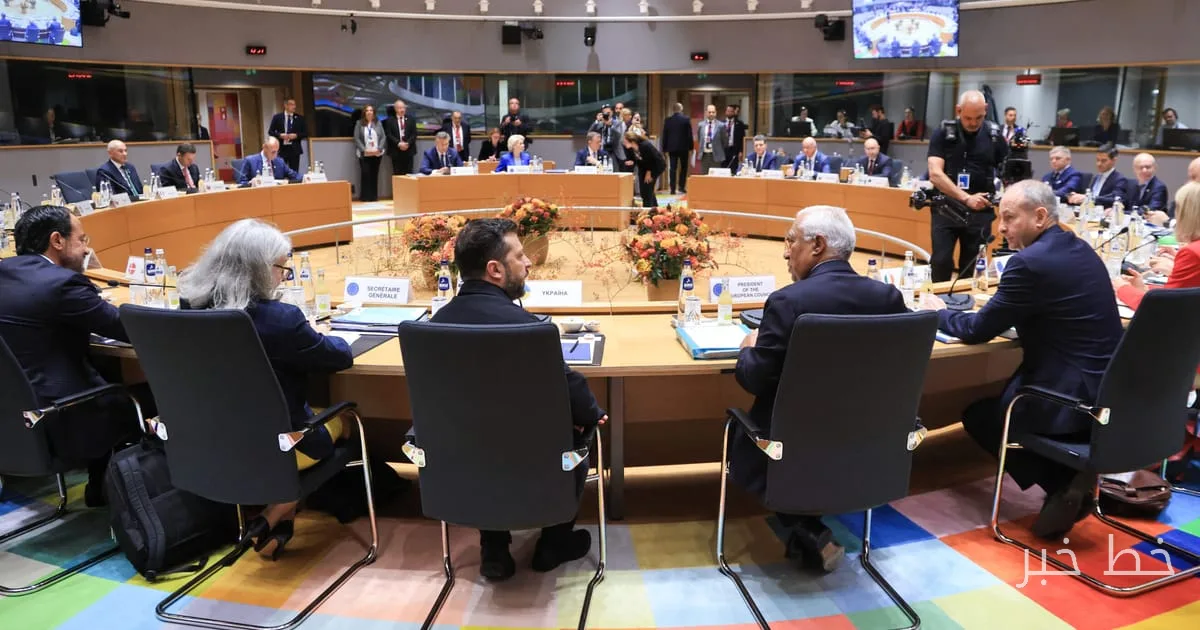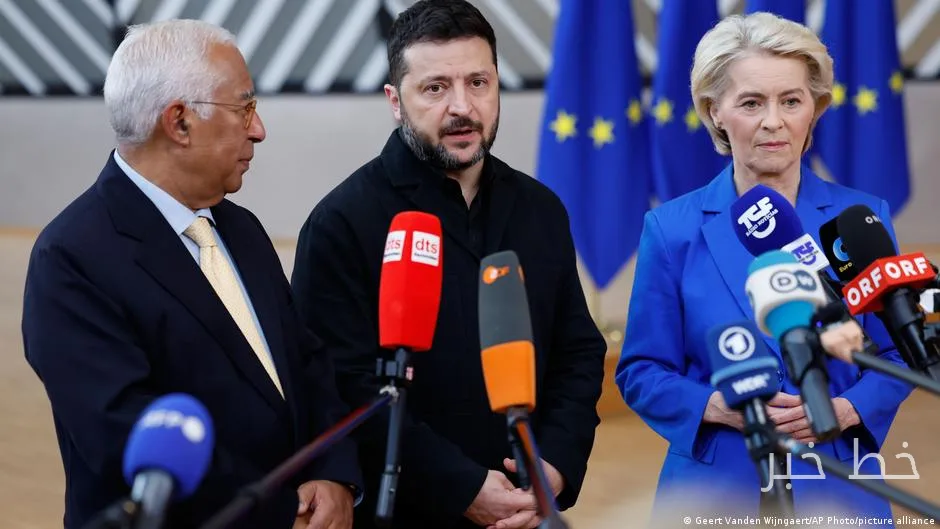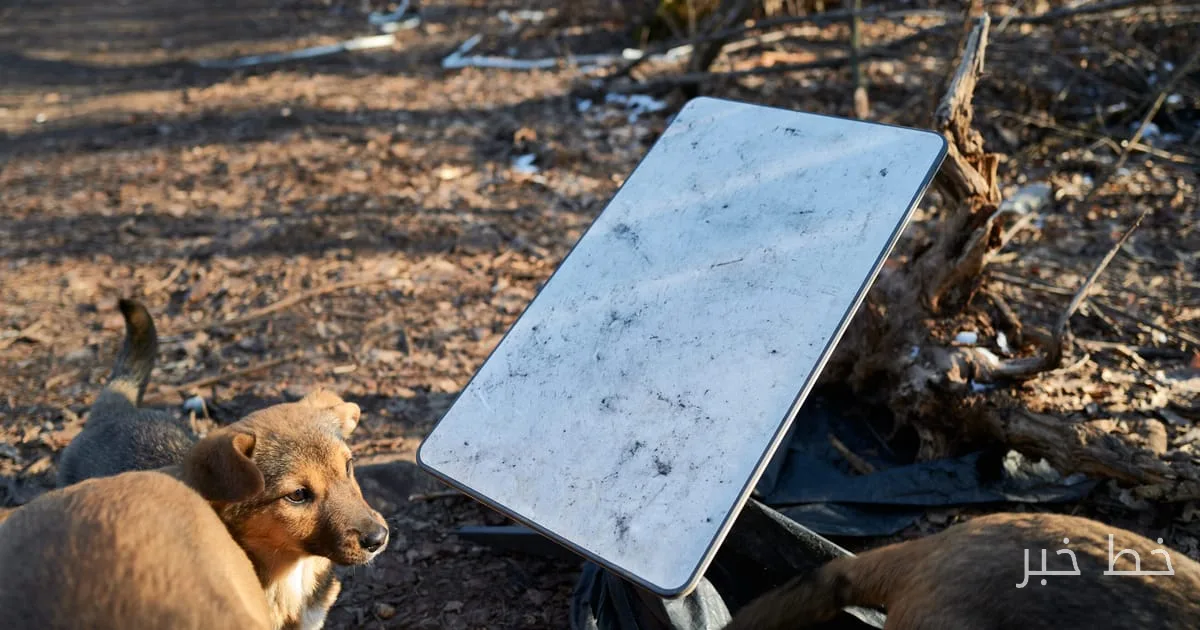
The European Union is under pressure to maintain round-the-clock communications for Ukrainian forces, as Elon Musk's Starlink services have been limited due to fluctuations in U.S. support for Kyiv. Volodymyr Zelensky, the President of Ukraine, mentioned this issue at a recent meeting of EU leaders in Brussels, stating: "This was a very dangerous and unpleasant surprise." He referred to the speed limitations of Starlink that Ukrainian military forces have experienced in recent days.
Consequences of the Restrictions for Ukraine
Zelensky explained that Ukraine is heavily reliant on Starlink services for its war efforts, and these restrictions have impacted their ability to counter Iranian drone attacks. He said: "We were using Starlink to track jet-powered drones that attack our civilian infrastructure and endanger our families. When the service speed decreased, we were unable to shoot them down."
Read more: Europe Seeks New Ways to Increase Resilience Against Global Shocks
These restrictions have been imposed while the U.S. government has asked Kyiv to halt attacks on Russian oil refineries. Zelensky also expressed hope that these restrictions would soon be lifted, saying: "My partners told me that there are signals from the White House that these capabilities will be restored."
Pressure on the EU to Increase Cooperation
Ahead of a high-level meeting, European representatives have called for expedited access for Ukraine to satellite capabilities under the Govsatcom program, which allows participating governments secure communications. Negotiations between the EU and Ukraine regarding this access have been ongoing since March and have yet to reach an agreement. Norway and Iceland secured such an agreement earlier this year.
Christoph Goerdler, a Member of the European Parliament, in a letter to EU leaders, called for expedited access and said: "It is unacceptable that Ukraine's defense — and thus Europe's security — depends on an American billionaire or decisions made by Donald Trump." He also called for the advancement of the IRIS² program, the planned EU satellite network intended as a replacement for Starlink.
European Commission spokesperson Thomas Reine reiterated that the Commission is in talks with Ukraine to fully align the country with the Govsatcom program, adding: "The war in Ukraine shows that our security is also dependent on space. The EU has done a lot in this regard, and we are ready to support Ukraine."
Meanwhile, European representatives are seeking to reduce reliance on foreign suppliers and increase alternative options to Starlink. Avara Sala, a representative from Finland, wrote on social media: "Ukraine's dependence on Starlink highlights the vulnerability of European defense systems that rely on American technology. This is another reminder that Europe must reduce its dangerous technological dependencies as soon as possible."
Read more: Antonio Costa Faced Severe Criticism at the EU Leaders' Summit