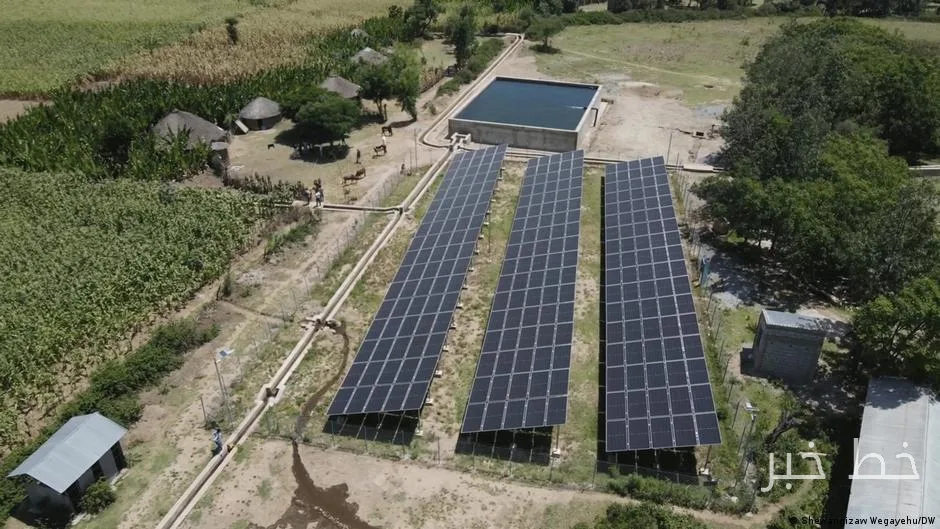
Emerging economies are transforming by utilizing renewable energy sources, especially solar energy. While Western countries achieved their economic growth in the 19th and 20th centuries through fossil fuels, now Southeast Asian countries and sub-Saharan Africa are moving towards electricity generated from renewable sources.
Advantage of Developing Countries
Countries that are newly growing economically have a better position for rapid development of renewable energy resources due to having less infrastructure dependent on fossil fuels. In particular, electricity generation from solar energy is now significantly cheaper than electricity generation with fossil fuels. While large coal and gas power plants require years of time and high costs to build, solar and wind farms can be established easily and at a lower cost.
Read more: CFTC presents new plans for regulating cryptocurrency markets
Recent analyses show that electronic devices such as refrigerators, electric stoves, and air conditioners have significantly decreased in price, making the use of electricity an affordable option for meeting heating and cooking needs. Additionally, with the decreasing price of electric vehicles, these modes of transport are also gradually becoming a more accessible option.
Changes in the Global Energy Market
In 2023, only about a quarter of global electricity was generated from renewable sources. However, this figure is rapidly increasing, and nearly all new capacities added to the power grid are based on solar or wind energy. Low and middle-income countries are currently using less fossil fuels and sourcing a larger share of their energy from renewable resources.
Countries like Vietnam and India sourced approximately six percent and ten percent of their electricity from solar energy in 2023, respectively. This rapid growth allows developing countries to quickly electrify while using less fossil fuels. Vietnam, for example, now consumes more electricity than the United States and Europe, and India is following the same path.
The potential for an energy leap in low-income countries, especially in sub-Saharan Africa, is very high. Countries like Kenya, Ethiopia, and Namibia are expanding their energy infrastructure to meet the needs of their young and growing populations. However, rural areas in many of these countries are still not connected to power grids.
Given these conditions, solar energy has emerged as a solution for energy access and energy independence. This technology has become so affordable that many businesses can recoup their investment within two years. Solar energy is rapidly becoming the default technology that everyone turns to.
Countries like Namibia, South Africa, Kenya, and Senegal have significantly increased their solar energy capacity in recent years. By 2026, it is estimated that an average of 100,000 solar panels will be installed daily across Africa, representing a 45 percent increase from the previous year.
These trends indicate that developing countries are moving towards a major transformation in energy, which could have profound impacts on the global economy in the coming decades. Where electricity is cheap and abundant, wealth will follow.
Read more: Ireland's 2027 budget offers new tax incentives for investment · Technology Revolution: The world of wildlife conservation is transformed by drones