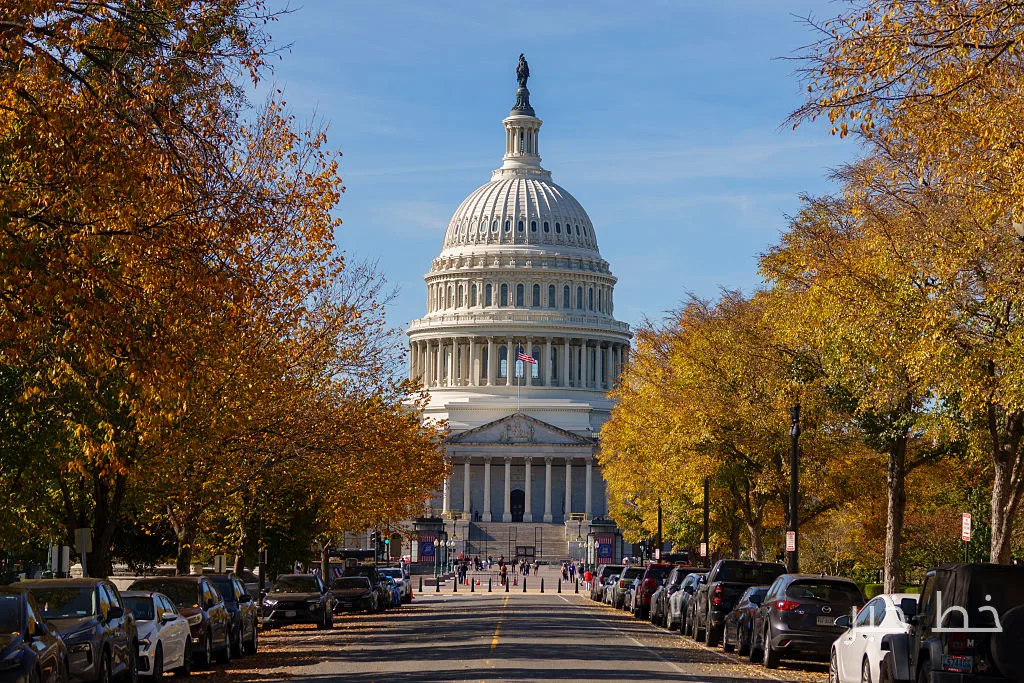
The reduction of daylight hours begins in November, and many people must prepare for changes related to day and night. As we enter this month, the tendency for daylight to fade will gradually be felt.
Effects of Seasonal Changes
When we reach November, these changes become clearly visible. Many people may be concerned about the reduction in daylight hours, as this can have psychological and physical effects on their daily lives. The decrease in natural light may affect individuals' mood and energy levels.
Why Daylight Hours Are Shorter
The reduction of daylight hours is due to the change in the angle of sunlight and the Earth's movement in its orbit. Throughout November, the sun gradually descends lower in the sky, causing the days to become shorter. With each passing day towards the end of the month, morning light arrives later and nighttime darkness comes sooner.
Additionally, with the reduction of daylight hours, many individuals must pay attention to changes in their daily schedules. Activities that require natural light may be postponed to other times, and there may be an increased need for artificial lighting.
Overall, the reduction of daylight hours in November can create significant changes in how people live, making it essential to adapt to new conditions.
Read more: Court prevents further tree cutting at the East Potomac Golf Course by Trump · IUCN warns that 96% of the world's coral reefs are in serious danger