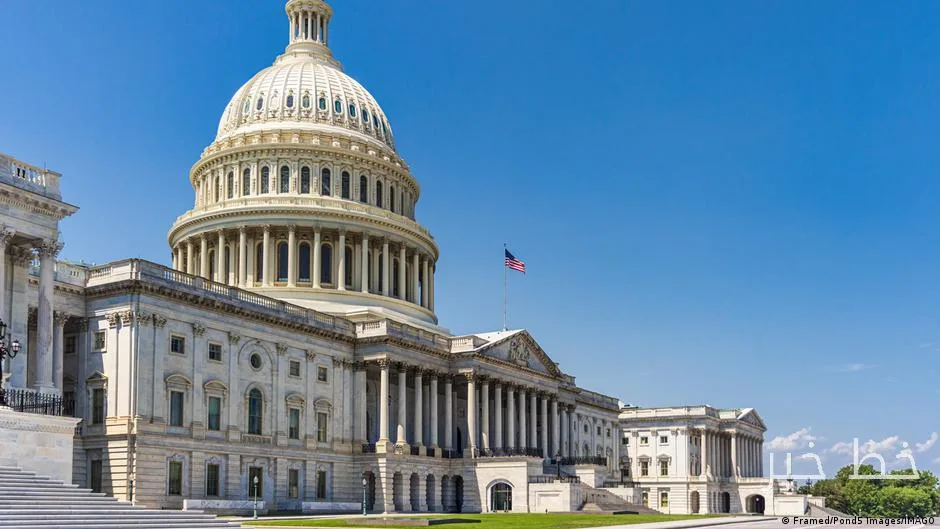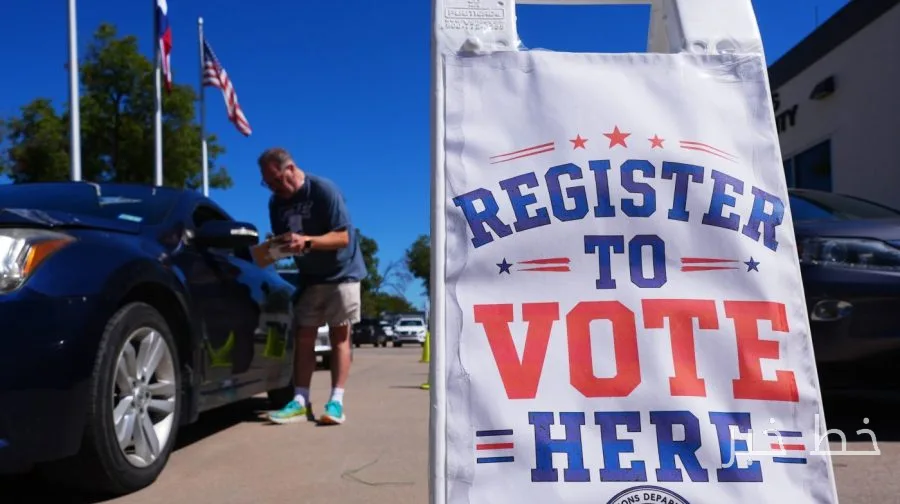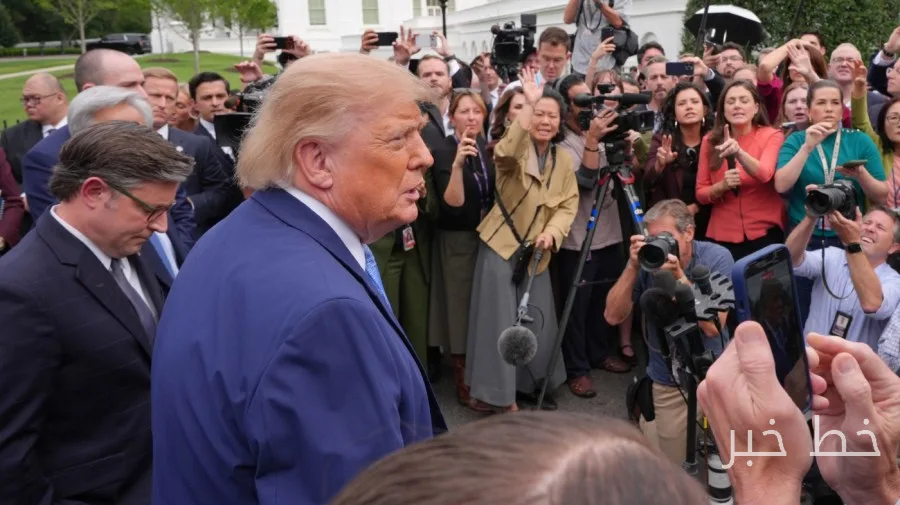
Republicans in both chambers of Congress are increasingly distancing themselves from President Donald Trump on sensitive issues. This shift in approach has become particularly evident as the midterm elections approach, and many Republicans hope that separating from the party's low popularity standard can help prevent a blue wave.
Reasons for Distancing from Trump
The distancing of Republicans from Trump stems from various reasons. The first reason is public dissatisfaction with some of Trump's policies and statements that may harm the party. Many representatives fear that by supporting Trump, they could lose voters, and this could negatively impact election results.
Read more: Jack Smith testifies in Congress about Trump investigations
Reactions to Republican Separation
This distancing from Trump is particularly evident on issues such as immigration policies, gun control, and public health. While some representatives openly criticize Trump, others try to indirectly distance themselves from his policies. This division among Republicans is quite unusual for a party that has traditionally stood by Trump.
Meanwhile, some Republicans believe that distancing from Trump could help strengthen the party's image in the eyes of voters. They want to show that Republicans are not solely committed to Trump's policies and can offer independent, voter-based solutions.
Political Consequences of Distancing
The consequences of this separation may impact the future of Republicans as well as the results of the midterm elections. While some representatives believe this approach could help maintain their seats, others are concerned that this distancing might weaken Trump's supporter base.
Given these circumstances, the future of Republicans and the impact of these changes on upcoming elections remains uncertain. Will this separation strengthen the party or lead to its fragmentation and weakening? Time will tell.
Read more: The West must win in its future wars · Republicans lag 12 points behind Democrats in polls