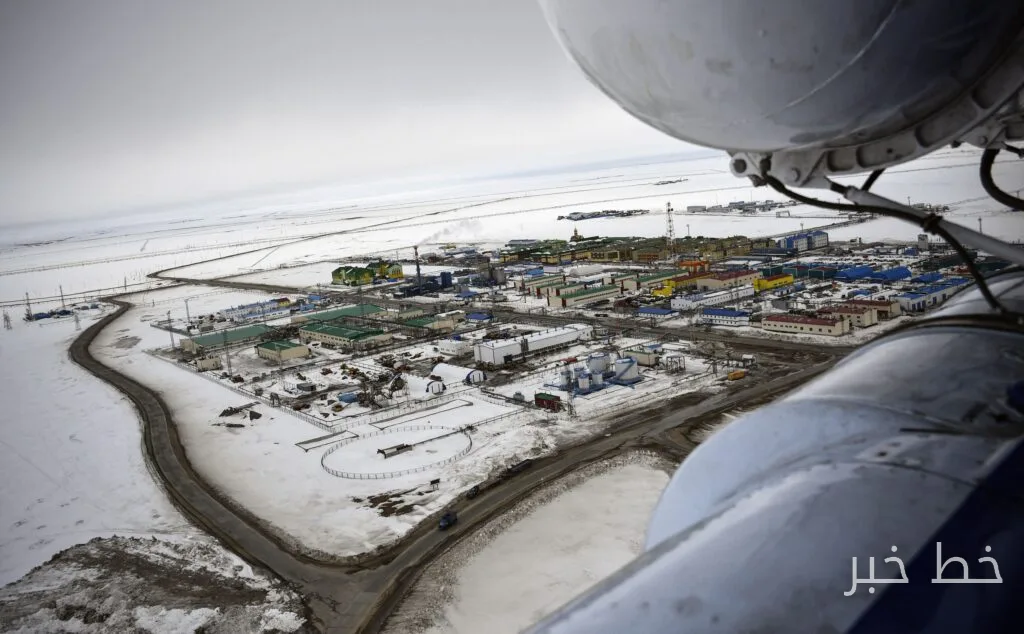
The ban on Russian liquefied gas imports by the European Union, which begins on January 1, 2027, will compel Moscow to find new buyers for exports from the Yamal project and to discover new methods for transporting gas.
Impact of the Ban on Yamal Gas Trade
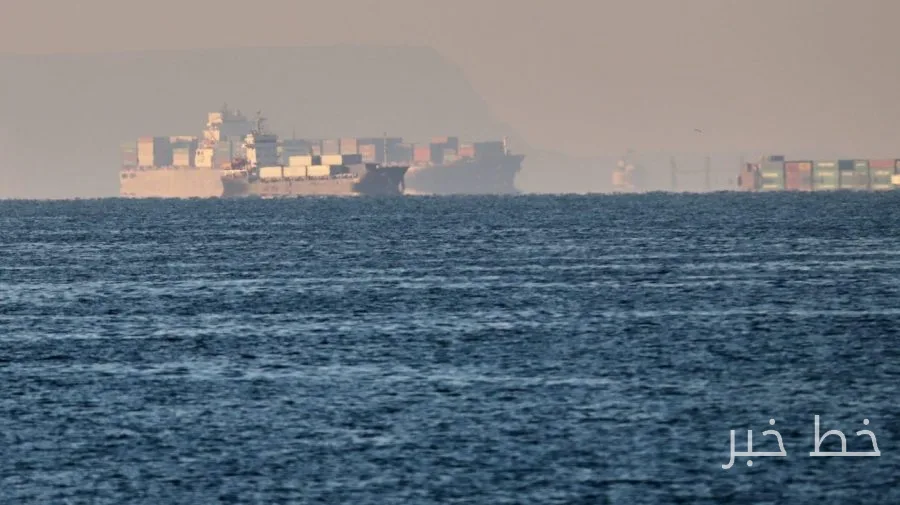
Yamal liquefied gas, which has been converted to liquefied gas for shipping to various locations, is sent westward via the Kara and Barents seas, away from northern Norway, to European waters. According to new analyses, 81 percent of recorded Yamal deliveries to Europe occurred between January and October 2026. These companies are striving to send gas to Europe ahead of future bans. It is estimated that Europe's costs during this period will reach €8.7 billion, exceeding the €7.2 billion estimate for 2025.
Read more: Exxon Mobil Moves Towards Returning to Venezuela
New Challenges for Moscow
The mentioned ban will end long-term contracts that still connect Yamal to Europe. Russia will be forced to direct gas towards buyers in Asia and organize its transportation network to reach them. Longer journeys mean higher costs and fewer trips for each tanker per year.
Malte Humpert, a senior researcher and founder of the Arctic Institute think tank, states, "The liquefied gas trade will be completely different." He acknowledges that this ban provides Moscow with more motivation to find new routes, although this is not easy or cheap and will take time.
The increase in black market liquefied gas trade could be one way out. However, the shadow fleet typically used for this purpose has not been necessary so far due to the lack of sanctions on Yamal. Sebastian Rottgers, a sanctions expert at Urgewald, points out that the shadow fleet usually employs old and unregistered oil tankers that can easily conceal their movements.
New Strategies for Selling Gas
One option to circumvent this ban is the use of "virtual exchanges." Russia could sell more gas to countries like Turkey or China, which could then sell their gas or that of other countries to Europe. This method preserves Russia's revenue even when its liquefied gas is banned from European ports.
However, even if Moscow finds new buyers, it still needs to deliver the liquefied gas to them. This means that Russian ships, unable to access Europe, must rebuild their logistics chains to reach new markets.
Officials are currently preparing for an increase in black market activities. Lukas Savickas, Lithuania's energy minister, states, "This issue requires more attention at the European level." He also emphasizes the need for increased monitoring of connection points, pipelines, and ports across the European Union.
The length of the route that ships must take depends on who is willing to buy. If China, South Korea, or Japan are the only buyers, the routes will need to be much longer. However, if Moscow can sell part of the gas to Turkey, Egypt, Pakistan, or Vietnam, these routes will be shorter.
Russia has two main ways to transport Yamal gas to Asian buyers. One route is through Arctic waters along the Northern Sea Route. However, Russia only has 15 specialized tankers capable of traveling this route in winter. These ships are expensive, so most have been used for shorter trips to Europe.
The other option is to head west first. Since Russian ships cannot stop in Europe, they can transfer gas from specialized tankers to regular ships near Murmansk and then head to Asia.
In any case, thanks to non-European companies, Moscow still has many options. Novatek, the company responsible for Yamal, has recently purchased two medium-sized icebreakers from a Japanese company. Humpert says, "I can never bet on Novatek" and adds that Moscow could revive a larger portion of Yamal's liquefied gas exports in the next one or two years.
Read more: Cuba Opens Oil Industry to Private Investment · Jared Kushner Goes to Moscow to Meet with Putin