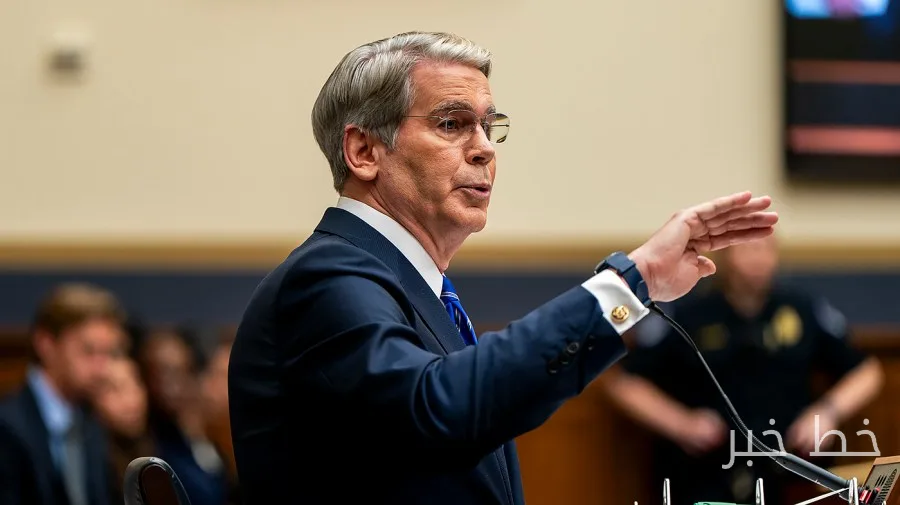
Scott Bassett, the U.S. Treasury Secretary, announced on Monday that U.S. and Chinese officials are considering reducing tariffs on non-essential goods. These remarks were made ahead of the meeting between President Donald Trump and Chinese President Xi Jinping in Washington, D.C.
Details of the tariff reduction plan
In an interview with CNBC's "Squawk Box," Bassett stated that both sides are discussing an agreement to reduce tariffs on goods worth $30 billion. This move could help facilitate trade relations between the two countries and potentially reduce tensions.
Economic implications
Reducing tariffs could have significant impacts on the global economy. Analysts believe that this action could help lower prices in domestic markets and allow American consumers to purchase Chinese goods at lower prices. Additionally, this could help improve trade relations between the two countries and pave the way for further negotiations.
While these remarks have been made by Bassett, no formal agreement has been signed yet, and it remains unclear whether these negotiations will yield results. However, this news could signal a shift in the parties' approach to trade issues.
Future outlook for U.S.-China relations
Trade relations between the U.S. and China have experienced significant tensions in recent years, but reducing tariffs on non-essential goods could present an opportunity to improve these relations. Many experts believe that this action could contribute to greater stability in the global market and support economic growth in both countries.
Considering that the U.S. and China are two of the world's largest economies, any changes in their trade policies could have widespread impacts on the global economy. More details regarding these negotiations are expected to be released in the coming days, and financial markets are likely to respond closely to developments on this matter.
Read more: Paramount reached an agreement in the antitrust case · Xi Jinping is visiting the U.S. and targeting the markets