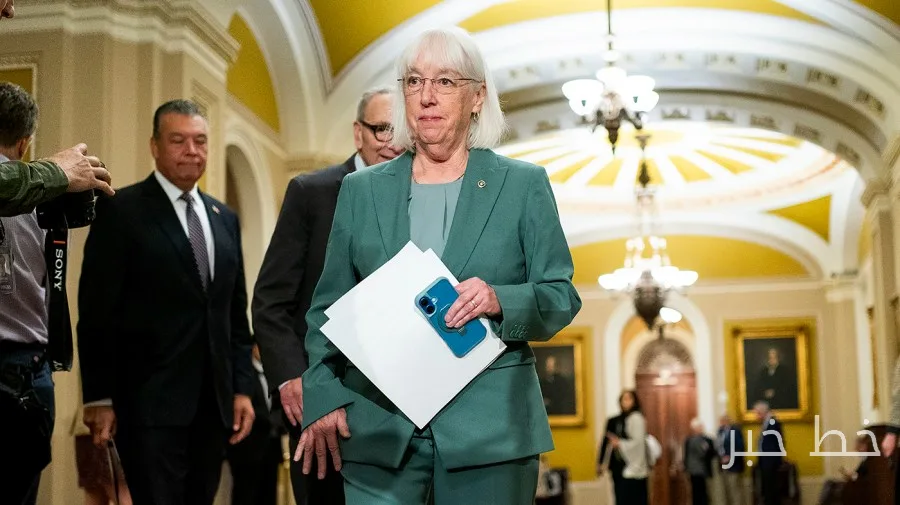
Senate Democrats on Thursday asked Lee Zeldin, the Administrator of the Environmental Protection Agency (EPA), to provide explanations regarding a controversial study that examines the detection of mifepristone, an abortion drug, in drinking water.
Senators' Request
Senator Patty Murray from Washington, on behalf of other Democrats, sent a letter to Zeldin requesting that he remove mifepristone and misoprostol (a related drug) and their metabolites from the list of emerging substances. This request was signed by all members of the Senate Democratic Conference and reflects the senators' deep concerns about the effects of these substances on the environment and public health.
Read more: Judge Criticizes Trump Administration After Cutting Down Golf Course Trees
Environmental Concerns
The EPA study aims to identify the presence of mifepristone in drinking water sources and assess its effects on aquatic ecosystems. This issue has become controversial due to growing concerns about water quality and the potential impacts of drugs on living organisms. Senators have emphasized that transparency and scientific evidence in this area are essential to protect public health and the environment.
In the letter, Democrats also stressed that the continued presence of mifepristone and its metabolites in drinking water could have serious consequences for human health and wildlife. They called for a more thorough investigation to assess the risks and consequences of these drugs in water sources.
Legal and Social Implications
This letter and the Democrats' request not only reflect environmental concerns but could also lead to a shift in legal policies regarding abortion drugs. Currently, mifepristone is recognized as one of the key drugs in abortion, and any changes in its access and regulations could have widespread implications for women and the public health system.
In response to these concerns, Zeldin and the EPA must act swiftly and provide more detailed information about the findings of this study. This information could aid in making more informed decisions regarding public health and the environment.
Read more: Judge Halts Trump Administration's Work at Washington Golf Course · Access to Public Lands Should Unite All Americans