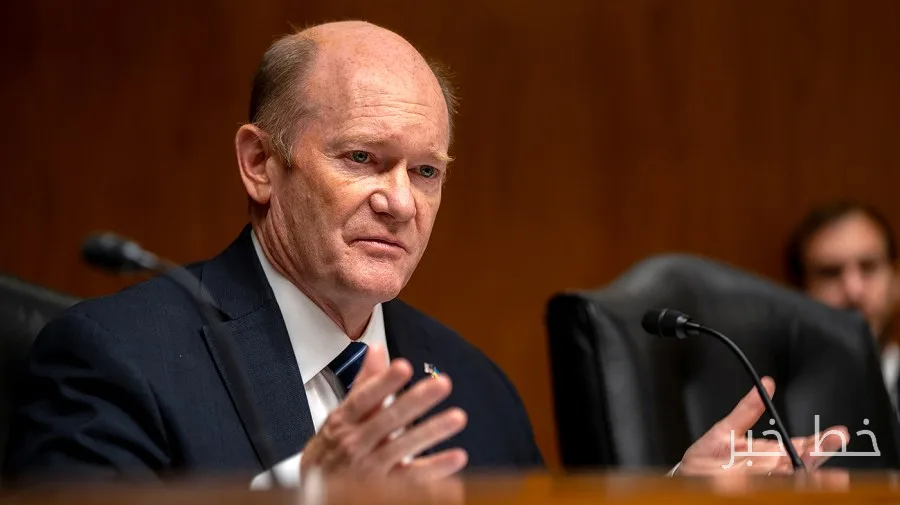
A group of Senate Democrats announced on Tuesday that Donald Trump, the President of the United States, has failed to prevent China from accessing sensitive American technologies that could accelerate the development of AI in that country. According to these senators, China is using legal means to circumvent U.S. export bans, and Trump needs to close these loopholes.
Background
These statements come as Xi Jinping, the President of China, is expected to visit Washington this week. Official visits by Chinese officials to the U.S. have always been accompanied by concerns over national security and economic issues. Particularly in the field of emerging technologies, including AI, which has become one of the focal points of strategic competition between the two countries.
Read more: Diego Rao has been named Manager of the Year
Challenges and Opportunities
Democrats believe that China's access to advanced technologies could lead to a deeper divide between the two countries. These technologies not only help improve China's economy but can also be used to strengthen its military and intelligence capabilities. Senators emphasized that the United States must take serious actions to address these challenges and update legal frameworks to prevent such access.
Necessary Actions
Senators called for immediate action from Trump to close existing loopholes in export laws. They believe that if Trump cannot resolve this issue, China could easily exploit American technologies for rapid advancements in AI. This not only threatens U.S. national security but could also weaken the country's position on the global stage.
Furthermore, Democrats stressed the importance of international cooperation in technology and stated that the United States should not face these challenges alone. They suggested that countries should coordinate and take joint actions to prevent unauthorized access to sensitive technologies.
Read more: Waymo has moved into the Denver farmers' market · Trump and Xi Jinping's speech will focus on three main topics