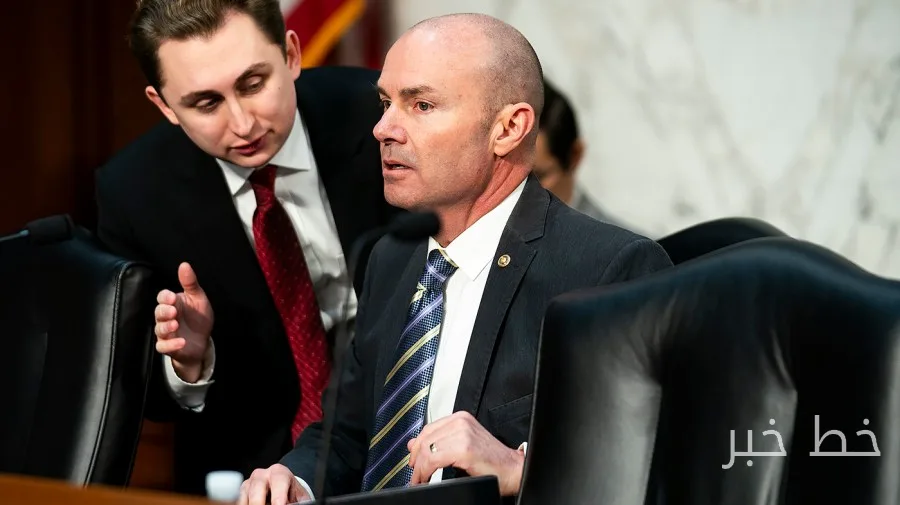
Senator Mike Lee (from Utah) on Monday blocked Senator Jeff Merkley's attempt (from Oregon) to prevent the demolition of the Kennedy Center by President Donald Trump. This measure, proposed as a unanimous consent, could have been approved without a vote in the chamber if no objections were raised.
Details of Merkley's Effort
Senator Merkley was seeking to pass a law that would prevent the President from demolishing public buildings erected in memory of U.S. Presidents. This law particularly focused on the Kennedy Center, recognized as a cultural and historical symbol in Washington, D.C. Senator Lee opposed this measure, arguing that it would limit the President's ability to manage government properties.
Bipartisan Support
This effort by Merkley was not limited to Democratic support, as Senator Lisa Murkowski (from Alaska) also joined this initiative. This bipartisan backing indicates concerns about preserving historical and cultural buildings at the national level. However, with Senator Lee's opposition, this effort did not succeed and represents a shift in policies regarding cultural heritage preservation.
President Trump, with a history of development and changes in properties, seems unconcerned about this issue and may take actions in the future to demolish or alter these buildings. This could lead to further discussions about the government's role in preserving the country's cultural and historical heritage.
Political Implications
Some analysts believe this action could be seen as a turning point in the relationship between the Democratic and Republican parties regarding cultural and historical issues. While Republicans typically seek to reduce restrictions on private ownership, Democrats pay more attention to preserving the nation's cultural and historical heritage. These differing views could lead to increased tensions in the future and generally impact the cultural and historical policies of the United States.