Recent political changes in the United States and the decisive victory of the Democrats in the midterm elections could be a sign of positive changes in global cooperation to combat climate change. Although climate policies were not a focus in these elections, there is evidence that various countries continue to collaborate in this area, achieving progress on issues that have long been contentious.
International Cooperation to Reduce Dependence on Fossil Fuels
Last April, 57 countries gathered in Santa Marta, Colombia, to examine the barriers to transitioning to clean energy sources. These countries included both developed and developing nations, as well as importers and producers of fossil fuels. Additionally, the European Union, China, and Brazil have formed a new coalition in the area of carbon markets. This effort helps reduce industrial gas emissions without putting domestic producers at risk, which is considered one of the major challenges in climate diplomacy.
Read more: Bolivia's President Declares National Emergency Due to El Niño
Threats from Climate Change and Energy Security
Many countries have concluded that climate change and energy insecurity pose a serious threat to their national interests. The recent crisis stemming from the war in Iran and the severe consequences of climate change confirm this reality. The oil and gas industry has long believed that energy security means ensuring diverse and reliable sources, but the Hormuz crisis has reminded governments that even diverse resources cannot protect them from major shocks in the global market.
Meanwhile, batteries, solar panels, and electric vehicles are becoming better and cheaper every day. Since the onset of the Hormuz crisis, sales of electric vehicles outside of China and the United States have reportedly increased by 45 percent in the first eight months of this year. At the same time, climate disasters such as extreme heat and wildfires have endangered lives and caused economic damage that can no longer be ignored.
Political Challenges and New Opportunities
The lack of action by the United States on climate change and multilateralism has made it difficult for other countries to act on their common interests. Over the past two years, the Washington administration has not only rejected climate policies but has also attempted to hinder the progress of others. Now, the midterm elections indicate that previous promises about providing cheap energy through fossil fuels have not been fulfilled, and other countries must be more confident in pursuing their interests than ever before.
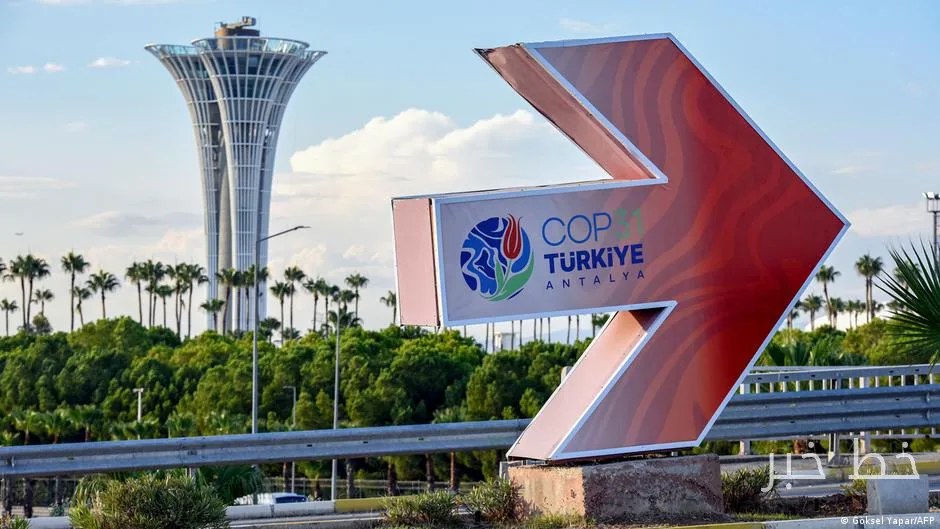
At the annual UN climate conference known as COP31, a broad group of countries is calling for a commitment to using clean electricity instead of fossil fuels. Major fossil fuel-importing countries like Europe and suppliers of clean technologies like China play a significant role in this effort. Additionally, U.S. states, cities, and companies are expected to have a strong presence at this conference in Antalya, Turkey, and collaborate with international partners without waiting for changes in federal policies.
Read more: Trump Administration Eases Methane Emission Rules for Oil Companies · Ursula von der Leyen Proposes 'Associate Member' Status for Canada