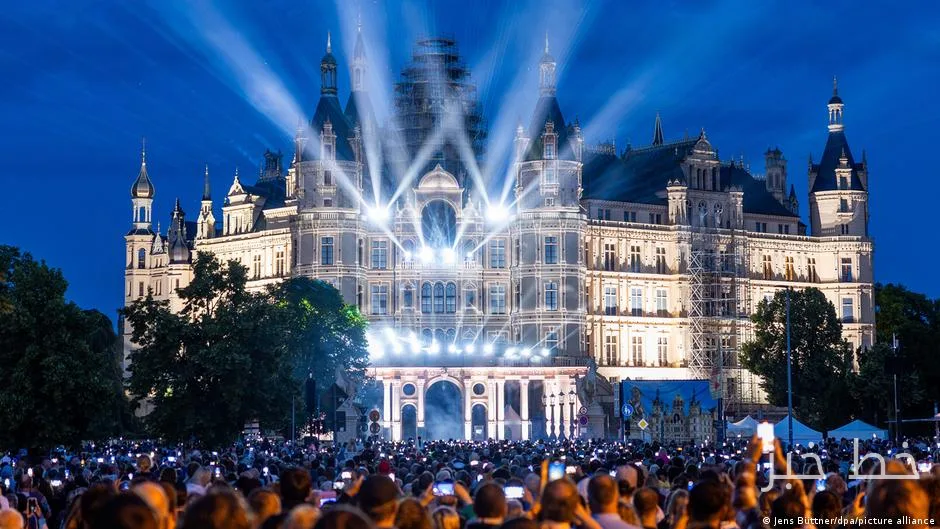
Mecklenburg-Vorpommern, located on the Baltic Sea coast of Germany, is known for its tourist attractions such as the islands of Rügen and Usedom and its historic universities. This state has been shaped by its industrial heritage, including shipbuilding and the large nuclear power plant in Lubmin, which was built during East Germany.
Social and Economic Challenges
With a population of only 1.57 million by the end of 2025, Mecklenburg-Vorpommern is recognized as the least populated federal state in Germany. The unemployment rate in this state is 8 percent, which is above the national average. Additionally, this state has the lowest share of foreign nationals at around 6 percent among the 16 German states.
For many East Germans, this state evokes memories of long summers spent in camps and resorts along the Baltic coast. Mecklenburg-Vorpommern also boasts 16 national parks, the highest number in Germany, and is home to Lake Müritz, one of the largest lakes in the country.
History of Racial Violence
This state witnessed some of the first violent attacks on refugees following the reunification of Germany. Images of residential blocks being burned in Rostock-Lichtenhagen in August 1992 were broadcast worldwide. That year, the number of refugees in Germany reached 440,000, leading to heated debates across the country.
In August 1992, hundreds of right-wing protesters attacked a residential building in Rostock that housed about 100 Vietnamese residents. The building was set on fire, and around 3,000 local residents stood by watching the attack. Miraculously, no one lost their life, although many were injured. This incident was the worst outbreak of racial violence in Germany since World War II.
Manuela Schwesig, the popular Prime Minister of the state and former federal minister, currently leads the Social Democratic Party (SPD). She is campaigning with the slogan "Woman Against Blue," referring to the party color of the AfD.
Schwesig, who has long been trailing behind the far-right Alternative for Germany (AfD) in polls, described the party as "the most dangerous party for the country, economy, and social welfare" during a televised debate with AfD candidate Leif-Erik Holm.
Mecklenburg-Vorpommern is the only eastern German state whose domestic intelligence agency has not classified the AfD as a "confirmed right-wing extremist" party.
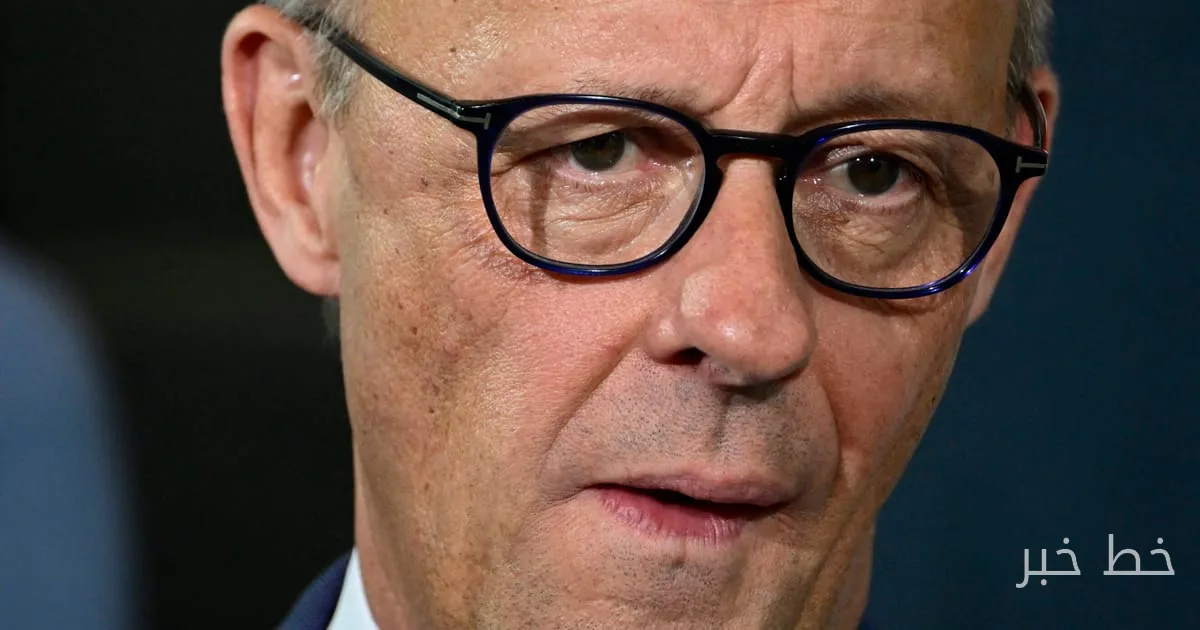
The Christian Democratic Union (CDU), led by Chancellor Friedrich Merz, is at its historically lowest level in polls. A poor showing in Mecklenburg-Vorpommern could intensify discussions about the Chancellor, who is increasingly losing popularity. The Green Party is also struggling to remain in the state parliament, with support hovering around the 5 percent threshold.
With the distribution of votes in this manner, the likelihood of a majority forming to elect Leif-Erik Holm as the state’s Prime Minister is very low, as any party with a real chance of entering the state parliament has ruled out cooperation with the AfD.
Leif-Erik Holm, the AfD's lead candidate, deliberately presents himself as a simple and down-to-earth person. He refers to his experiences as a radio host during his campaign events. Holm has been a member of the Bundestag for the AfD since 2017 and frequently points to public dissatisfaction with the government, economic stagnation, and difficult social conditions in northeastern Germany.
Holm cannot compete with Schwesig, the popular SPD Prime Minister, in direct comparisons of popularity. However, support for the AfD in polls, which places it alongside the SPD, indicates that Mecklenburg-Vorpommern remains deeply divided.
Governance in this coastal state is unlikely to become easier in the coming years.