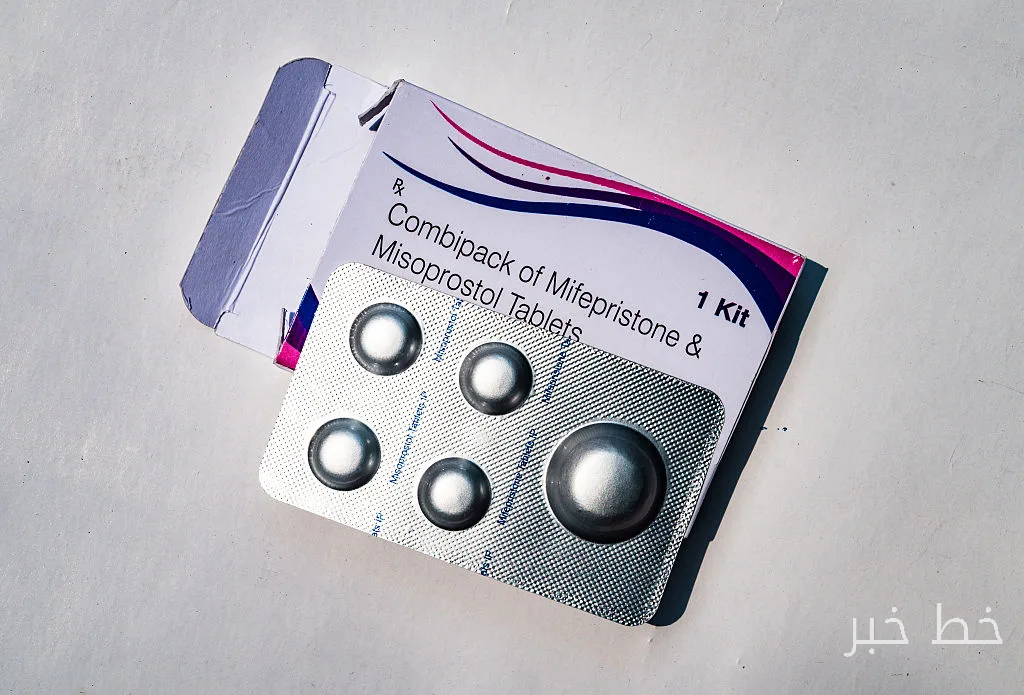
South Korea will soon approve abortion pills for the first time with restrictions. This decision follows a ruling by the Constitutional Court in 2019 that declared the abortion ban illegal in a country with a long history of prohibiting abortion.
Government decision to improve access to medical services
Lee Jae-myung, the President of South Korea, pointed out this legal gap on social media, stating that the introduction of abortion pills at various stages could improve women's access to safe medical methods. He said, "Women have been unable to obtain safe abortion pills during this time and have had to purchase them from abroad or through illegal transactions."
Read more: Third malaria-related death near Frankfurt's main airport
Conditions for accessing the drugs
Won Min-kyung, the Minister of Gender Equality and Family, announced that under this plan, women up to 9 weeks pregnant can obtain these drugs only through hospitals or clinics with a doctor's prescription. This plan is set to be implemented in the first quarter of 2027 and will continue for at least two years. The minister also noted that during this period, the safety and side effects of the drugs will be monitored.
Before the 2019 ruling, abortion in South Korea was strictly prohibited except in limited cases such as pregnancies resulting from rape. Estimates indicate that the number of abortions in the country decreased from 241,411 in 2008 to 32,063 in 2020.
Reactions to the abortion pill plan
Prime Minister Han Sung-soo responded to critics and conservatives opposed to this plan, stating that the government is attentive to "concerns about the value of life." Additionally, the Ministry of Food and Drug Safety of Korea is reviewing a request to approve the combination of mifepristone and misoprostol, which is the most common method for abortion in the United States.
These drugs are listed as essential medicines by the World Health Organization and are used for managing medical abortions. However, South Korean officials have set a 9-week limit for the use of these drugs as this product has been tested on women during this period.
Concerns about access to the drugs
The Political Network of Women in South Korea welcomed this plan, viewing it as an important step towards creating the necessary infrastructure for women's access to safe medical services. However, this group raised concerns about the need for prescriptions and the restrictions on drug provision, calling for an extension of the coverage period to 10 weeks of pregnancy.
Read more: Amazing health benefits of reading books · Abortion rights group expands its efforts in midterm elections