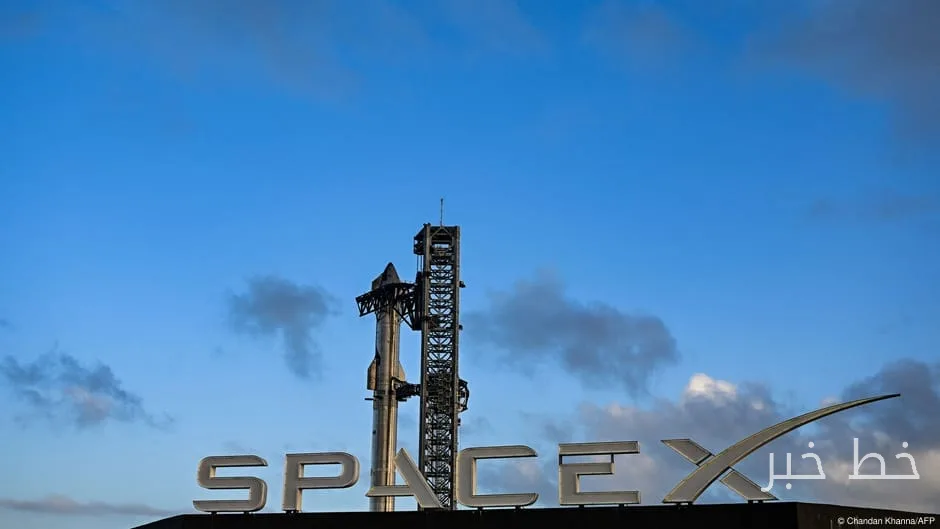
SpaceX, led by Elon Musk, has received a license to build a network of one million satellites to host artificial intelligence data centers in space. This project is called 'StarMind' and is designed to meet the growing demand for artificial intelligence computing power.
Project Timeline and Goals
According to the issued license, SpaceX must place 10 percent of these satellites, equivalent to 100,000 satellites, in orbit by 2035. By 2038, this number must reach 50 percent. Ultimately, it is projected that within the next 15 years, one million satellites will be in orbit around the Earth.
Benefits and Technical Challenges
According to Ulrich Spiedel, a professor at the University of Auckland, placing data centers in satellites is attractive due to greater access to solar energy. Depending on their orbit, satellites can be exposed to sunlight for more than half of the day, and since there are no clouds in space, this energy is easily usable.
However, there are technical challenges such as weather and cooling in space. Spiedel notes that the only way to dissipate heat from a satellite in a vacuum is to radiate it outward. Richard Easter, another physicist, has also pointed out these challenges and believes that the 'StarMind' project is on the edge of technical feasibility.
Environmental Concerns
Some experts, such as Laura Rowell, a professor of atmospheric chemistry at the University of Canterbury, have expressed concerns about pollution from rocket launches and its impact on the ozone layer. She pointed out that this project could undermine years of efforts to protect the ozone layer.
Additionally, the risks from space debris will also increase. The 'StarMind' project will increase the number of active satellites in orbit by more than 50 times, which could raise the risk of collisions with space debris.
Ultimately, this project could have significant impacts on astronomical observations and the night sky view. The FCC's decision was made alone and without considering environmental concerns, raising questions about who is responsible for protecting the upper atmosphere from pollution caused by rockets and satellites.
Read more: Huawei Convicted in the U.S. for Bank Fraud and Ties to Iran · Artificial Intelligence and Instinct Converge in Formula One