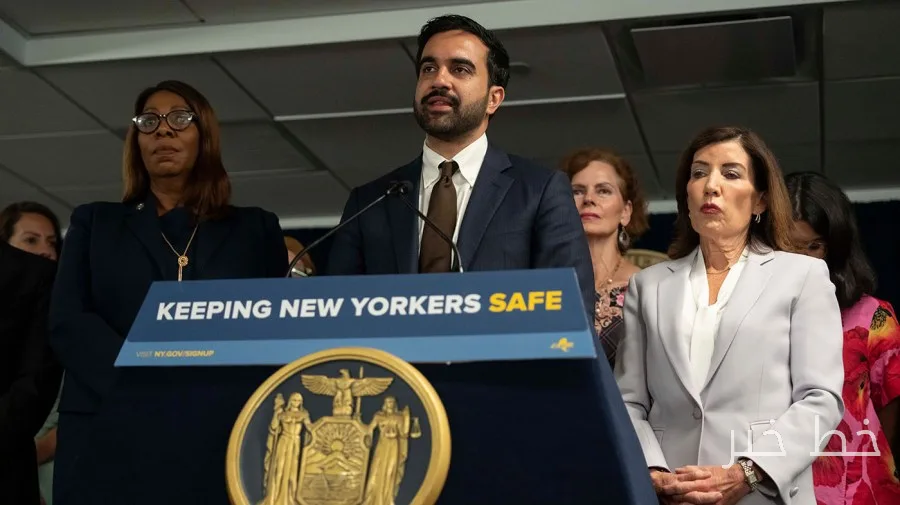
A coalition of 22 U.S. states and Washington D.C. has sued the Trump administration to block a law that prevents immigrants from easily obtaining green cards. This law, known as the 'public charge,' prohibits immigrants who use public benefits from entering the country or receiving a green card.
Details of the Lawsuit
The lawsuit pertains to the U.S. Department of Homeland Security (DHS), which enacted this law. These states claim that the law illegally violates their rights with the aim of limiting the number of immigrants based on their use of public benefits. The law specifically targets individuals who utilize assistance programs such as food stamps and housing.
Read more: Iranian cargo ship attacked in the Strait of Hormuz
Social and Economic Consequences
Experts say this law could have widespread negative impacts on immigrant communities. Many families may refrain from accessing necessary social services due to fear of legal repercussions. This could lead to increased poverty and decreased public health in immigrant communities.
Immigrant communities are recognized as a vital part of the U.S. economy, and the new restrictions could affect the labor market. Many employers rely on hiring immigrants, and this law could lead to labor shortages in certain industries.
Political Reactions
This lawsuit is viewed by state officials as a political move against the Trump administration's immigration policies. Democratic officials see this action as an effort to protect immigrant rights and support families. They believe this law is based solely on racist and discriminatory policies.
The Trump administration has also responded to the lawsuit, asserting that this law helps protect public resources. They claim that the law warns immigrants who disproportionately use public benefits and assists genuine immigrants seeking to build a better life.
The Future of the Lawsuit
Given the legal and political challenges, the future of this lawsuit remains uncertain. Courts are expected to address this case soon and make significant decisions regarding the enforcement of this law. This lawsuit could mark a turning point in immigrant rights and U.S. immigration policies.
Read more: Bat in passenger train in Glasgow caused chaos · Controversial victory of the right-wing in Germany; the beginning of a new era in the country's politics?