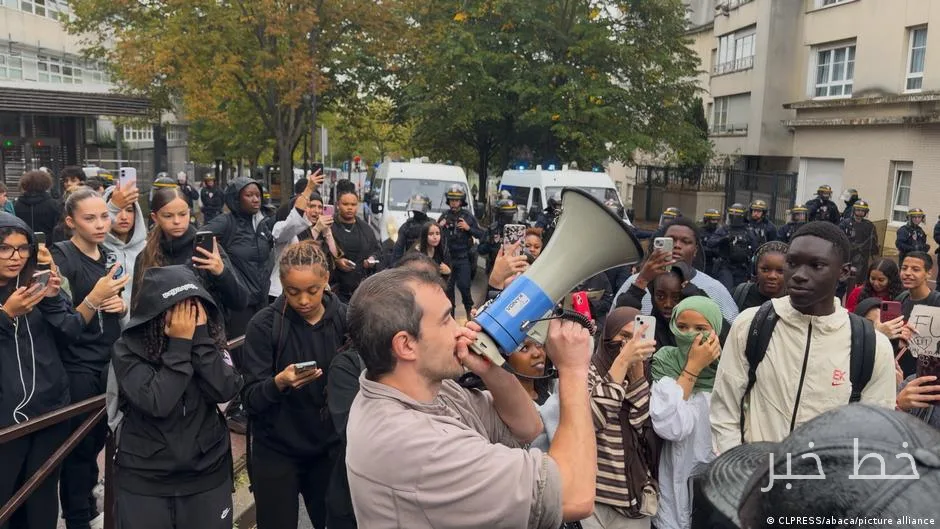
Student protests in French schools reached their peak on Monday, resulting in dozens of injuries and the arrest of over 160 individuals. These developments occurred a day before a nationwide strike by public sector employees and seven months before the French presidential elections.
Reasons for the Protests
Students in French high schools (equivalent to high schools in the United States) have been protesting since last week due to overcrowded classrooms, heavy academic burdens, low-quality educational materials, and a shortage of teachers. This movement initially began in the Île-de-France region around Paris but quickly spread to other areas, including Lille in the north, Marseille in the south, and Sedan in the east.
Clashes and Government Response
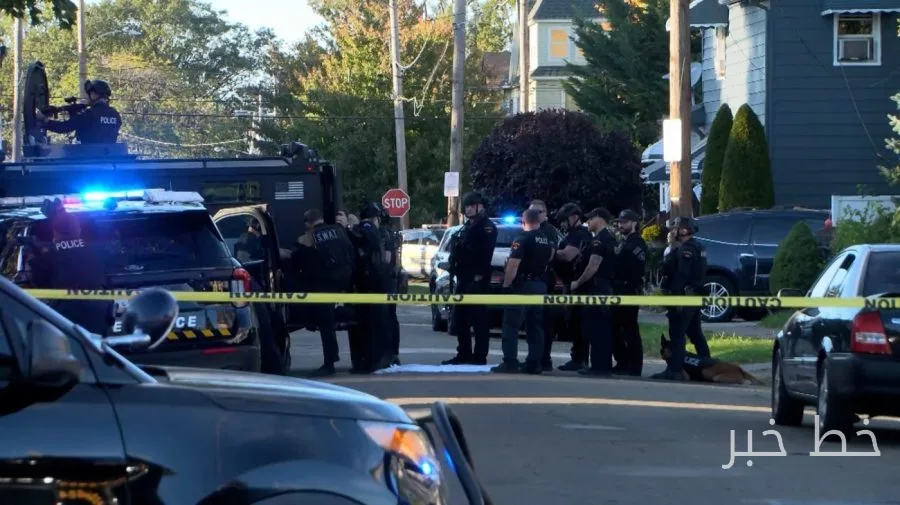
Video footage released by French media shows student protesters lighting fireworks and firecrackers, even inside school buildings, while police forces respond with tear gas. According to Laurent Nunez, the French Minister of the Interior, around 180 schools experienced incidents on Monday, resulting in 164 arrests and injuries to 12 students, three teachers, and 12 police officers.
He acknowledged that "the problems of high schools must be heard and resolved," but emphasized that "this was not about protests, but truly violence in its purest form."
Jean-Luc Mélenchon, the presidential candidate from the leftist party "La France Insoumise," also accused the government of carrying out a "repression" with "racial undertones" and urged activists from his party to support the protests. In response, Prime Minister Élisabeth Borne dismissed the accusation as "delusional" and stated: "Fireworks, arson, and violence near high schools: nothing justifies the danger to students, staff, or police officers."
Political Consequences
As the presidential elections approach and current President Emmanuel Macron cannot run for a third term due to legal restrictions, politicians across the political spectrum in France are seeking issues that resonate with voters. Mélenchon, who placed third in the 2022 presidential elections, is popular among young people and left-leaning voters.
The Syndicale Lycéenne, a French union representing high school students, has announced that it will call for a nationwide strike from high schools on Tuesday. Meanwhile, primary school teachers' unions have predicted that about 40 percent of teachers will be absent on Tuesday.
These developments put additional pressure on the government due to the economic situation and rising energy costs, and Borne continues to seek sufficient support to pass the 2027 government budget.