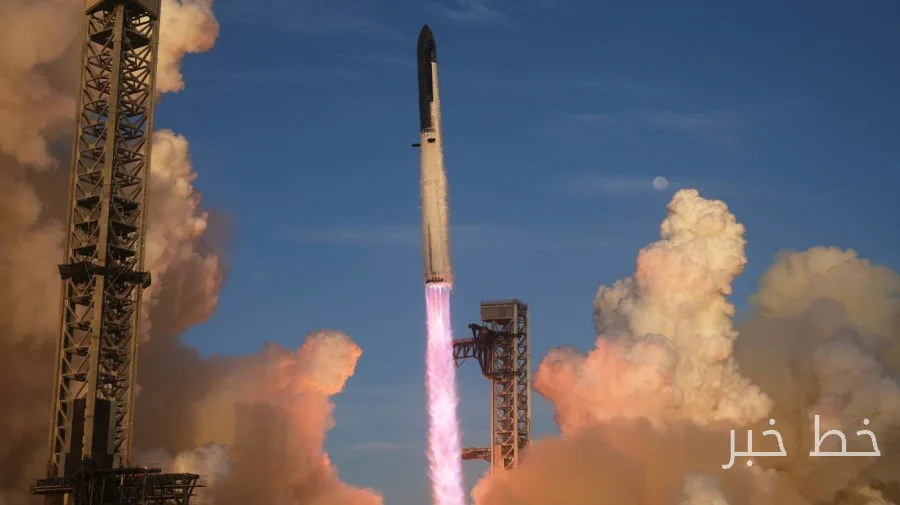
Starship, as one of the most advanced space rockets, successfully completed a launch to low Earth orbit. This success is a major step towards fulfilling the dreams of traveling to other planets and expanding space activities. The great science fiction writer, Robert Heinlein, says: "When you reach Earth orbit, you have traveled half the way to anywhere in the solar system."
Launch Details
The recent launch of Starship is regarded as a milestone in space history. This rocket is designed to carry cargo and passengers to other planets and can play a significant role in interplanetary travel. Starship's capabilities in carrying heavy payloads and its ability to return to Earth have made it one of the great hopes of the space industry.
Read more: Rand Paul blocked the passage of a unified online child safety law
Implications and Future of Space Travel
The success of this launch will have profound impacts on the future of space travel. With reaching low Earth orbit, the next steps for travel to the Moon and Mars become closer. This success may also contribute to the development of new technologies in the space sector and the commercialization of space travel. However, many challenges still lie ahead for this industry that require attention and further investment.
While the launch of Starship represents remarkable advancements in space science and technology, it also raises questions about the future of space travel and how to manage it. Will humanity be able to travel sustainably and safely to other planets?
Read more: The Federal Trade Commission investigated OpenAI and Anthropic · SpaceX launched Starship into orbit for the first time