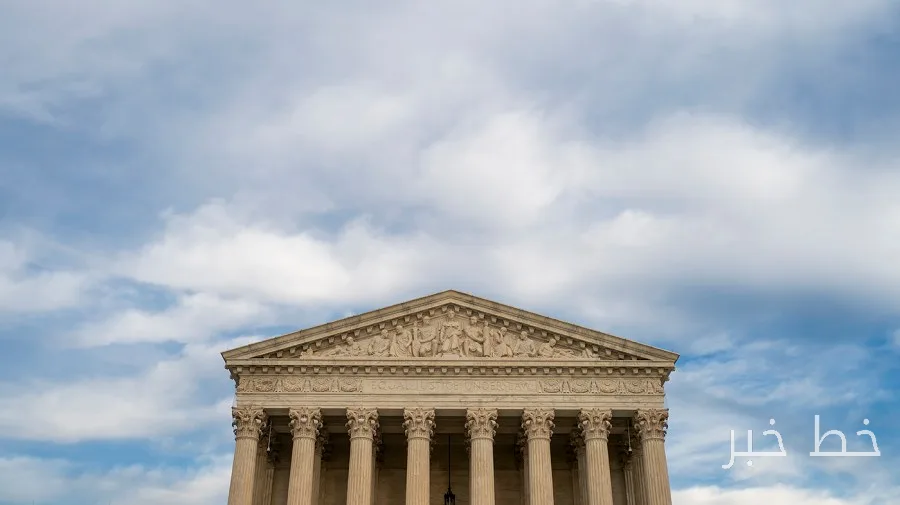
The United States Supreme Court reviewed the constitutionality of the penalty system for employers who violate visa laws for nearly two hours yesterday. This session led Department of Justice officials to express serious concerns about the potential consequences of this case.
Concerns About Legal Consequences
Sarah Isenor, Deputy Attorney General, clearly stated in this session: "I am not happy about the possibility of losing this case. This is very clear. I hope we do not lose this case, as the consequences could be very serious." Isenor's concerns reflect the larger ramifications that may arise if this penalty system is not upheld for employers.
Read more: The Death of Mari Carmen Abascal Following the Forced Eviction of Her Home in Madrid
Visa Penalty System in Focus
The visa penalty system is designed to create discipline among employers who do not comply with visa regulations. If the Supreme Court deems this system illegal, it could signify a weakness in the enforcement of immigration laws and allow employers to violate regulations without fear of penalties.
This case could also address more fundamental issues regarding immigration law and workers' rights. If the Supreme Court rules in favor of employers, it may lead to an influx of more unauthorized workers into the labor market, which could put pressure on the job market and workers' rights.
Consequences for Workers and Employers
In addition to legal ramifications, this case could have widespread economic impacts. Employers who refrain from hiring foreign workers due to heavy penalties may be inclined to hire these workers if the penalties are lifted. This could lead to increased competition in the labor market and changes in the workforce composition.
Moreover, if the Supreme Court rules in favor of the government, the Department of Labor may continue to enforce visa laws more strictly, which could reduce the number of foreign workers in certain industries. This situation could lead to increased labor costs and decreased access for employers to skilled labor.
Ultimately, the outcome of this case will have significant implications for U.S. immigration policies and the relationship between employers and workers. This case not only affects the lives of workers but could also lead to major changes in the structure of the labor market.
Read more: Greg Stanton Calls for an Increase in the Social Security Tax Cap · Stephen Miller Appointed as the New Chief of Staff at the White House



