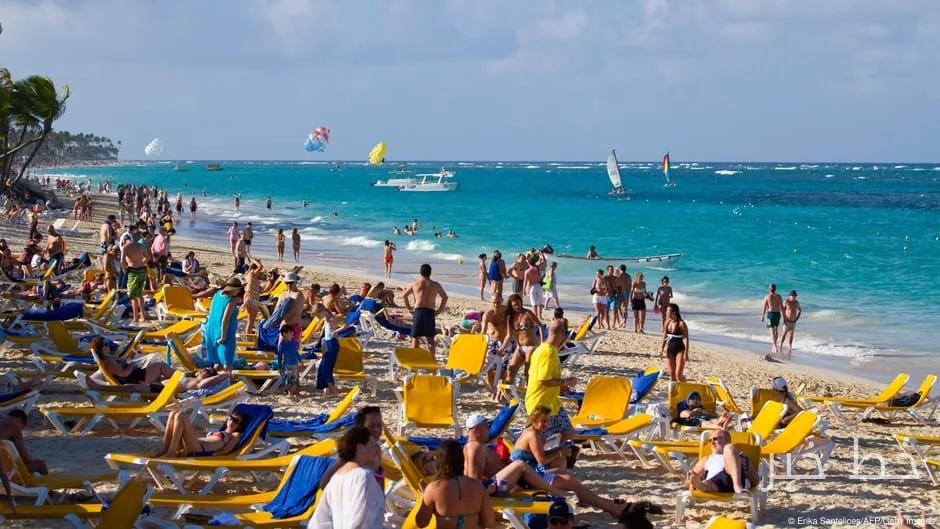
Latin America is recognized as one of the dynamic tourism regions in the world. According to a report by the World Tourism Organization, international tourist arrivals in South America increased by 7% last year, and in Central America by 5%, both figures higher than the global average.
Challenges of Overtourism
However, this boom comes with challenges. Overtourism in some destinations has led to environmental and social issues, raising questions about the true benefits of this industry. For example, Machu Picchu, the Inca fortress in Peru, receives up to 5,600 visitors daily. Peru's regulatory body has warned that by 2025, the number of tickets sold will exceed the limit, which could put this site at risk.
Read more: Season One of The Body concluded with the unveiling of secrets
Actions for Environmental Protection
Ecuador has increased the entry fee for foreign tourists to the Galapagos Islands to $200 in 2024 to protect them. However, pressure to build new hotels and apartments still exists. In Mexico City, the influx of tourists and digital workers to neighborhoods like Roma and Condesa has led to protests against rising rents.
The main question is how to make tourism more inclusive and sustainable. At the ITB Latin America International Tourism Fair in Guadalajara, experts discussed this issue.
Richard Bezan, regional director of Planeterra, pointed to the emergence of several new trends, stating that groups have become smaller than before and tourists are seeking closer experiences. He also mentioned the growth of "positive nature" tourism, which funds travel programs to support reforestation projects.
Sarah Payne, director of the Reset Tourism Fund, emphasized the fundamental problem, stating that in the traditional tourism business model, most revenues do not reach local communities. She stressed that access to financing for communities is key but very difficult.
Sebastian Mono, founder of Rutopia, believes that tours should be designed in collaboration with communities to create a sense of ownership. Bezan also believes that community-based tourism should be examined from a market perspective so that these two worlds can come closer together.
Experts emphasized that changes happen slowly, but this effort is worthwhile. Respecting local people and the environment can lead to greater satisfaction for all parties involved.
Read more: Droski signed a multi-year contract with Netflix · Solar energy production in Germany is nearing a record