Tang has been sharing his experiences with mobility aids since 2024 on social media. He sees his goal as helping others to see someone like themselves. However, Tang frequently encounters discriminatory comments, both online and in real life.
Social Challenges and Personal Experiences
Tang says, "I was walking on the beach with two disabled friends. We were all using a cane or a walker, and when we passed by two older women, one of them said, 'So you are practicing for getting old?' I wish I had said, 'No, we are just living with severe pain.'"
Tang also mentions other discriminatory experiences where strangers have knocked on his car window and asked why he uses a parking space designated for disabled people, even though he has a Blue Badge in the vehicle.
The Role of Mobility Aids in Improving Quality of Life
Dr. Julie Hershberg, a clinical professor of physical therapy at the University of Southern California, confirms the positive impact of mobility aids on her patients' lives. She recently helped a teenager with a temper syndrome to attend a Taylor Swift concert by adjusting the position of the teenager's walker, allowing him to have a normal teenage experience without feeling severe dizziness.
However, some of her patients face negative messages from their peers and families. Some are pressured to the point that they avoid using mobility aids out of fear of being judged by others.
Dr. Hershberg says, "They don’t like people looking at them or asking questions. They don’t want to be seen as a disabled person, and because of that, they limit their life and happiness."
The use of mobility aids becomes more essential as the rate of disability increases. According to statistics, the number of individuals with disabilities in the United States has risen from 41 million in 2019 to nearly 46 million in 2024. This increase includes individuals who have developed invisible disabilities due to COVID-19.
Emily Taylor, president and CEO of the Solve ME/CFS Initiative, says, "Using mobility aids is essential for managing conditions that limit energy. Imagine starting every day with a mobile phone battery that is only 10% charged and having to use it."
Taylor also points out that her mother, who has ME/CFS, faced negative reactions from family members after using a walker to attend a family wedding. She says, "Walkers are vital for this community, and when individuals are judged for 'not being disabled enough,' it harms their access to everyday life."
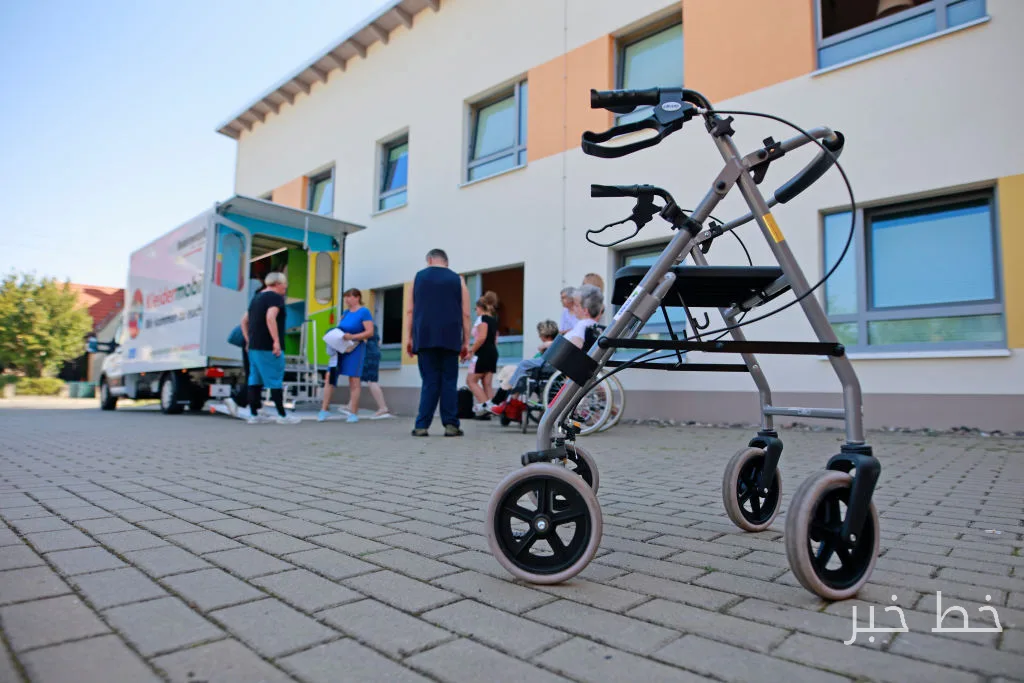
Ultimately, Tang explains that while walkers are recognized globally as a symbol of disability, they are not the only available tool. He currently uses an elbow cane more than a walker to navigate his neighborhood because it is easier on narrow sidewalks. He says, "Walkers can be a vital lifeline."
Individuals with disabilities deserve dignity and respect for their existence in the world and should be able to use the tools that support their bodies without fear of judgment or harassment.