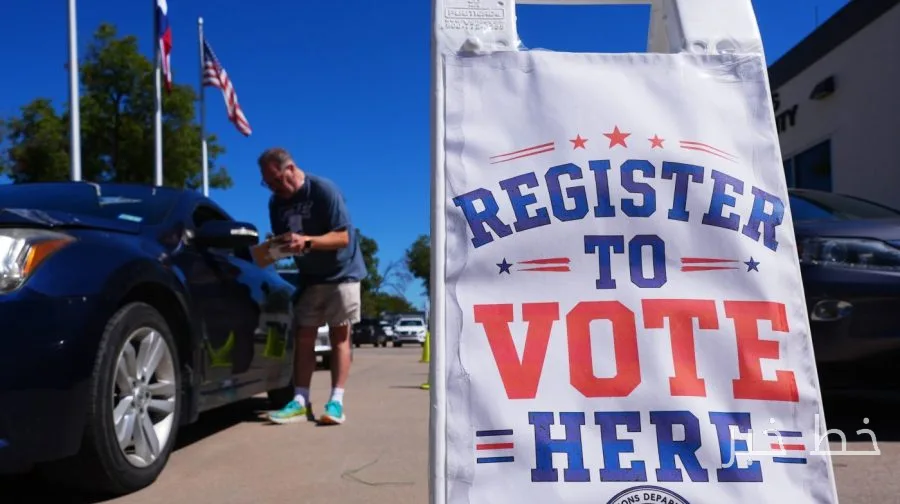
The United States midterm elections will be held on November 3, 2026. This election, which takes place in the middle of the four-year presidential term, allows voters to choose local representatives, express opinions on state issues, and determine which party takes control of Congress.
New Challenges in the Elections
This round of midterm elections is taking place under circumstances that pose specific challenges to the democratic process. The Trump administration has attempted to limit mail-in voting and collect voter data from several states. There are also concerns about the presence of federal agents at polling places, which former President Donald Trump has not definitively denied.
Diversity in Ballots
Unlike presidential election years, there will be no candidate or issue appearing on all ballots in the United States in 2026. Instead, ballots will vary by state, and many will also differ from county to county. In 35 states, Senate elections will take place, and in 36 states, gubernatorial elections will occur. Additionally, all 435 seats in the United States House of Representatives will be up for election.
In four states—Idaho, Missouri, Nevada, and Virginia—voters will decide on voting measures related to abortion rights. Voters in six states, including Alaska and Arizona, will decide on adding or strengthening citizenship requirements for voting in state and local elections.
How to Request a Sample Ballot
Voters can request a sample ballot using official websites, including the websites of the states of Minnesota, Wisconsin, and New York. Additionally, those who wish to avoid long lines can take advantage of early voting, which begins in four states on September 18 and will expand to the rest of the states throughout October.
Individuals can register for federal elections if they are U.S. citizens and meet their state’s registration requirements. In most states, voters must be at least 18 years old on election day.