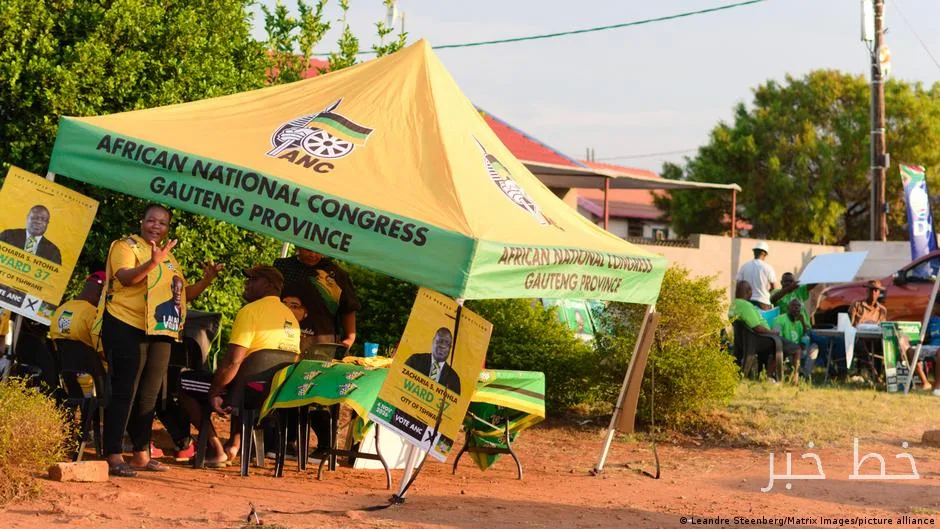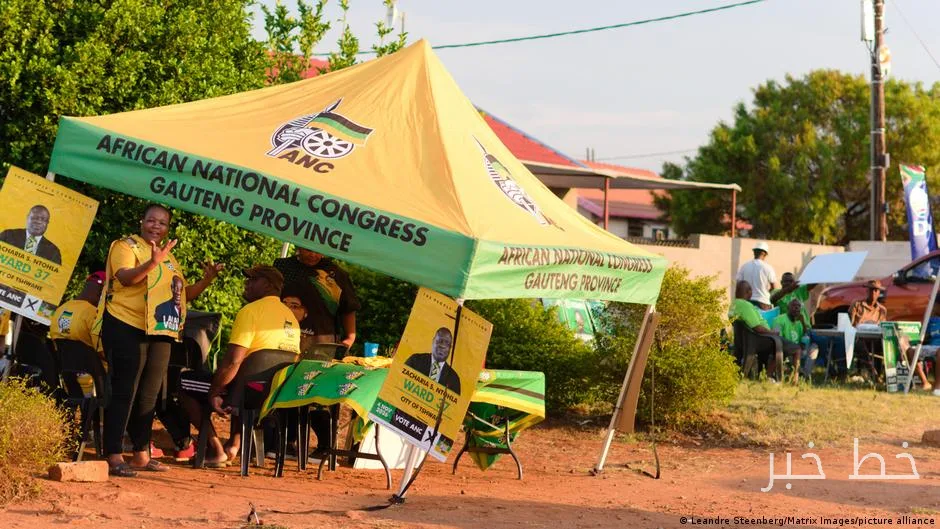
The African National Congress (ANC) has faced historically poor results in the recent local elections in South Africa, securing just over 30 percent of the votes. These results, which are close to the final count, indicate a decline in the party's power in six out of eight metropolitan areas of the country.
Public Dissatisfaction with Services
South African voters in 2026 are severely dissatisfied with the lack of water and electricity, holding the ANC responsible for the poor state of municipalities. Issues such as high unemployment, crime, and widespread corruption have also been highlighted as major concerns.
Read more: International Maritime Organization Reports 25 Casualties of Seafarers in the Hormuz Crisis
Reactions from ANC Leaders
Cyril Ramaphosa, the leader of the ANC and President of South Africa, had not reacted to this poor performance by Saturday evening. However, he mentioned this issue in his weekly letter, admitting that "municipal failures have contributed to a decline in public trust in democratic governance."
Fikile Mbalula, the ANC Secretary-General, stated at a press conference that the party needs to work to regain public trust, adding: "We cannot ask people to trust us just because of our history." He described this result as "disastrous" for the ANC and emphasized that the party, as the largest party, faces serious challenges under these circumstances.
Political analysts have described this result as the worst historical outcome for the ANC and warned that these results could weaken the party's ability to exert authority at local and national levels. These results may indicate voter sentiments ahead of the general elections in 2029.
Changes in the Political Landscape
The Democratic Alliance (DA), recognized as the main rival in these elections, retained control of Cape Town with 24 percent of the votes and achieved successes in other major cities as well. DA leader, Gordon Hill-Lewis, announced that the party is establishing coalition negotiations with other parties to form governments that can address urban issues.
The decline in the ANC's power comes despite the party's long history of ending apartheid and establishing democracy in South Africa. However, in recent years, the party has faced serious challenges due to corruption, mismanagement, and high unemployment.
Read more: Zelensky: Ukraine May Receive More Aid from the U.S. · New Zealand Elections Tied with Over 95 Percent of Votes Counted