Kelvin waves resulting from El Niño conditions are nearing the west coast of the United States, which can raise sea levels by up to one foot and increase the risk of coastal erosion for coastal cities.
Consequences of Kelvin Waves
These waves, known as planetary waves, are large and slow-moving masses of water that can cover thousands of miles. Warm water slowly moves along the equator towards South, Central, and North America and can elevate sea levels for several months.
Read more: Swiss glaciers have melted significantly in the first eight months of 2026
While the impact of these waves may not be directly observable, according to Paul Randy, a professor of atmospheric science at the University at Albany, this phenomenon can significantly raise sea levels. He says, "These waves push warm water deeper and put pressure on the sea. You may not notice a difference, but the sea level will be a few centimeters higher than normal."
Impacts on California Shores
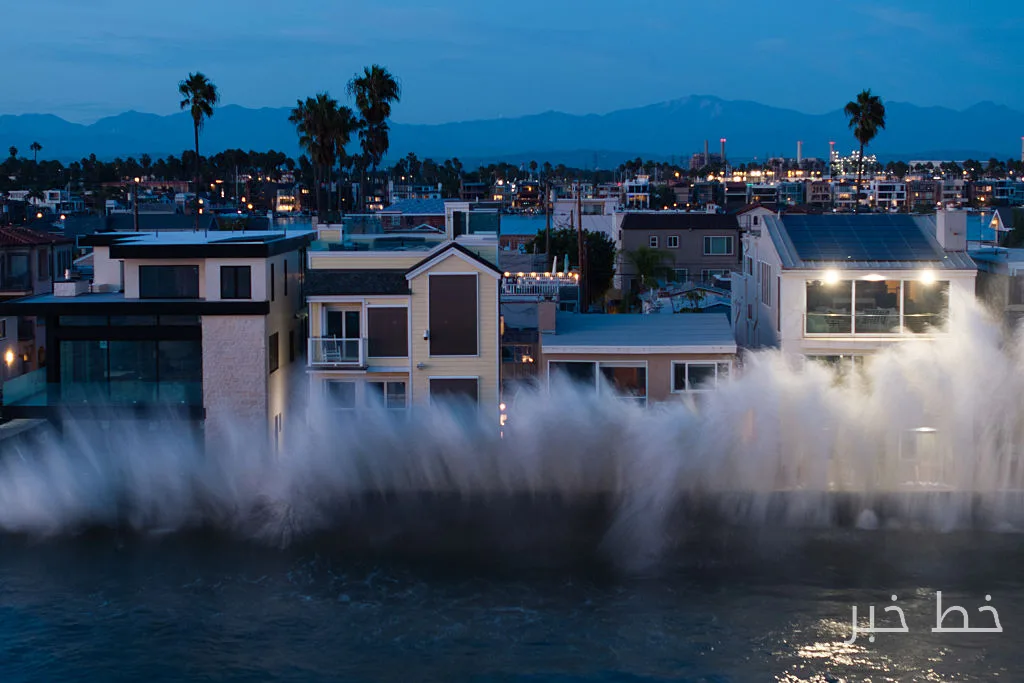
This slight increase in sea level can have significant effects on the shores when combined with other factors. Randy says, "If you add this sea level change to regular tides or overlay a storm, which El Niño amplifies, it can have significant impacts on coastal erosion and coastal flooding."
Several Kelvin waves have reached the west coast this season. Randy says, "We have likely had three or four Kelvin waves on the northern shores of America."
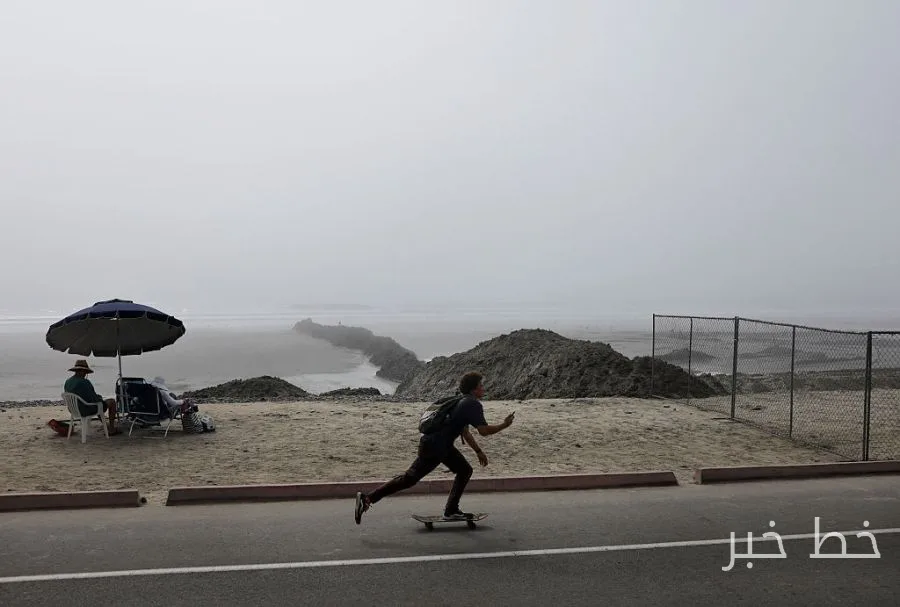
Several coastal cities in California, including Malibu, Laguna Beach, and Long Beach, have experienced significant erosion this year. This erosion is caused by several factors, including El Niño and Pacific storms. At the end of September, Gavin Newsom, the governor of California, declared a state of emergency to prepare the state for the potential impacts of El Niño.
The last strong El Niño event that occurred from 2015 to 2016 brought five Kelvin waves. In contrast, the 2022-2023 El Niño did not produce strong Kelvin waves, as several other weather events, including weak westerly winds, did not provide the necessary conditions for these waves to form.
Kelvin waves typically occur during El Niño years, when trade winds that usually push warm surface water towards the western Pacific weaken or change direction, moving warm water eastward.
There is much scientific debate about the impacts of climate change on El Niño events. However, global temperatures generally rise during El Niño years, as warm water adds heat to the atmosphere. This, along with record-breaking global temperatures due to human-induced climate change, predicts that 2027 will likely be the warmest year on record.
Read more: Pacific leaders call for serious attention to climate change