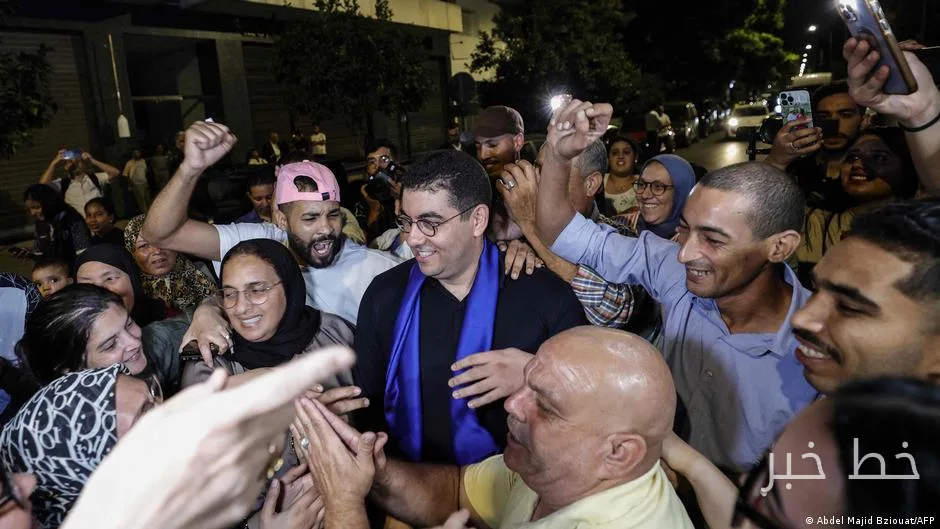
The Authenticity and Modernity Party (PAM) placed first in the parliamentary elections in Morocco on Wednesday, securing 97 seats out of a total of 395. These provisional results indicate an increase of 10 seats for the party compared to the 2021 elections.
Details of the Election and Its Results
PAM is part of the current ruling coalition in Morocco, established in 2008 by a royal advisor, and is recognized as a supporter of social modernization and moderate secular views. The party is generally seen as close to the Moroccan monarchy. The recent elections will form a new coalition government responsible for preparing for the 2030 World Cup.
The recent elections are not expected to fundamentally change the balance of power in the North African kingdom. Morocco, as a constitutional monarchy, allows King Mohammed VI significant power over the country's domestic and foreign policy directions.
Status of Other Parties and Voter Participation
The National Rally of Independents (RNI), which was the largest partner in the previous ruling coalition, saw its seats decrease from 102 to 66, placing it second. Additionally, the smallest member of the ruling coalition, the Independence Party, also saw a reduction of 16 seats, bringing it to 65 seats.
In contrast, the Justice and Development Party, a moderate Islamist party, made a significant increase to 54 seats, having only secured 13 seats in 2021. This election also witnessed the lowest voter turnout since 2007, with only 38 percent of registered voters participating. Nearly 16 million people were registered to vote, and about 4 percent of registered voters were aged between 18 and 24.
In 2025, Morocco experienced protests led by Generation Z, which were the largest protests since the Arab Spring in the early 2010s. Distrust in politicians and issues related to living conditions are cited as the main reasons for this low participation.
A 50-year-old woman named Majda Bakhtir stated, "I will not vote because I have lost all faith in the political class. We want our country to progress, but it seems politicians do not pay attention to our problems in health, education, and purchasing power."
Read more: Delcy Rodríguez Thanked Trump and Promised to Hold Elections · Florida Gubernatorial Election Competition Status Changes to Balance