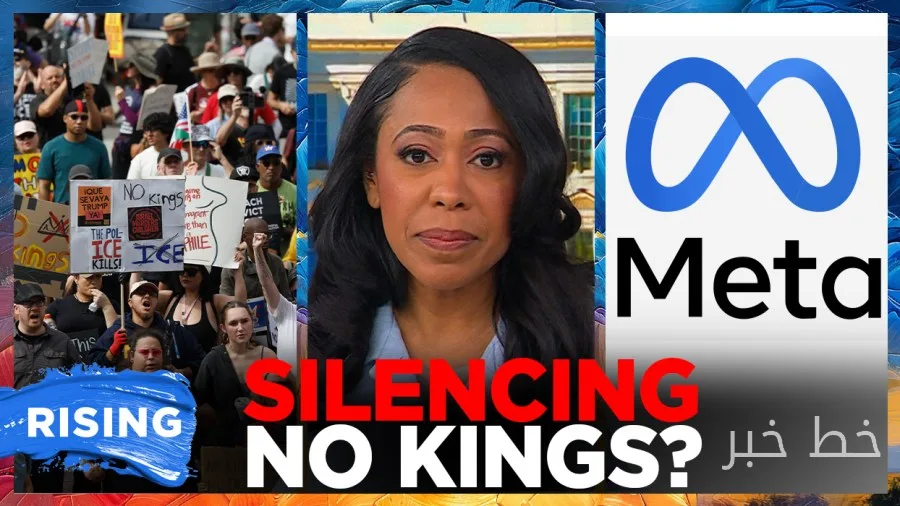
The ban of Keynes' account by Meta has become a challenging topic in the digital arena. This action during protests in Brazil and the United States has raised questions about transparency and fairness in social platform rules. Currently, there is much debate about how these platforms are managed and their impact on political discourse.
The Dimensions of the Account Ban Issue
Given the rise of protests and public discontent, the ban of Keynes' account is seen by some as a targeted action to control information and discussions. This has led to questions about algorithmic decision-making and transparency in Meta's policies. Is the company truly enforcing the rules fairly? Or have political and social behaviors influenced these decisions?
Read more: Kimberly Guilfoyle's resignation brings changes to government investigations
Social and Political Consequences
The ban of accounts during protests can have profound effects on social and political trends. These actions can lead to a decrease in public trust in these platforms and an increase in criticism towards them. Furthermore, this issue can impact how information is managed and freedom of speech in digital spaces, making users more sensitive to their rights.
Ultimately, this issue is not limited to a single account but relates to a broader question of how digital platforms interact with users and manage information. In today's world, where social media has become a tool for expressing opinions and protests, transparency and fairness in the rules and policies of these platforms are of greater importance.
Read more: Potential dismissal of Pete Hegseth as Secretary of Defense following the November 3 election · Appeals court rejects Trump's claim of ownership of records