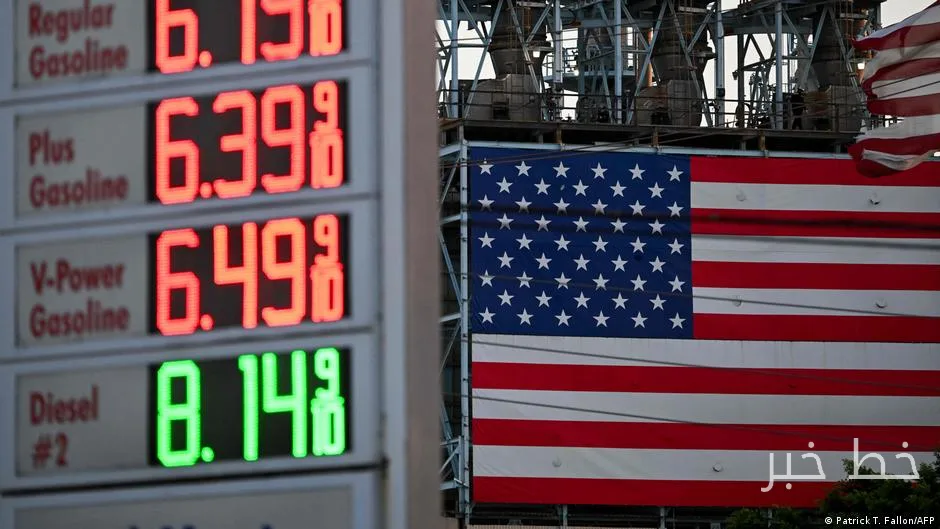
The ban on diesel exports in the United States has become a contentious issue. Experts and analysts have concluded that this action cannot significantly reduce fuel prices. While the Trump administration is sending mixed signals on this matter, analysts are examining the potential consequences of this ban.
Analysis of Fuel Price Situation
Analysts believe that a complete ban on diesel exports may provide temporary relief in some regions of the country, but these effects will be short-term and limited. Fuel prices are influenced by various factors, including demand, supply, and international market conditions. For this reason, analysts believe that this ban cannot lead to a significant reduction in prices.
Factors Affecting Prices
Fuel prices in the United States are influenced by various factors, including government policies, economic conditions, and changes in supply and demand. Although the ban on diesel exports may temporarily impact domestic supply, ultimately, this action cannot sustainably reduce prices.
Analysts also point out that currently, global oil and gas markets are highly interconnected, and changes in one region can affect other areas. Therefore, any unilateral action by the United States may have unexpected impacts on the global market.
Overall, analysts believe that to achieve sustainable reductions in fuel prices, the U.S. government should pursue more comprehensive solutions that include improving infrastructure, increasing domestic production, and reducing reliance on imports. These approaches can help create stability in the fuel market and lead to long-term price reductions.