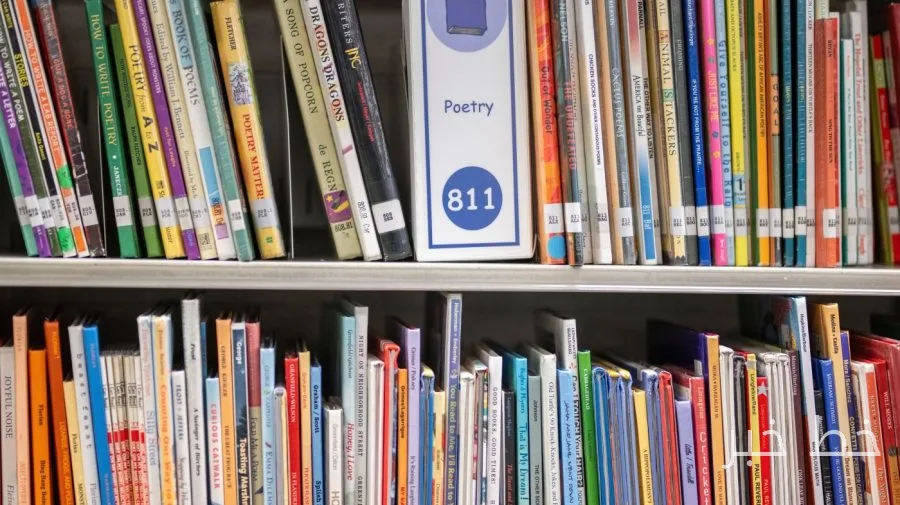
The ban on school books in the United States has approached an unprecedented record of nearly 12,000 cases. According to a new report released by a free speech advocacy organization, 11,982 books were removed from classrooms in the 2025-26 school year, a significant increase from 6,870 cases the previous year.
Details of the Book Ban
Of the total banned books, 7,370 unique titles included various works from different authors and subjects. This statistic reflects a severe increase in oversight of educational content in schools, raising serious concerns about freedom of speech and access to information.
Analysts believe that this increase in book bans is related to political and social pressures at local and state levels. Many school administrators and educational institutions are under pressure from specific groups demanding the removal of certain works due to their content. This trend could also lead to the formation of a new generation of educational restrictions that limit students' access to diverse information and viewpoints.
Cultural and Educational Consequences
The ban on books not only affects students but can also lead to a decrease in cultural and literary diversity in classrooms. The removal of classic and contemporary works means losing learning opportunities for students who could familiarize themselves with different ideas and cultures through reading these books.
Some critics believe that this situation not only harms freedom of speech but could also negatively impact the development of critical thinking in future generations. The freedom to access information and literature must be preserved so that students can thrive in today's complex world.
While some may argue that these restrictions are intended to protect students from inappropriate content, educational experts emphasize that the best way to protect students is to provide a space for discussion and critical examination, not to limit access to information.