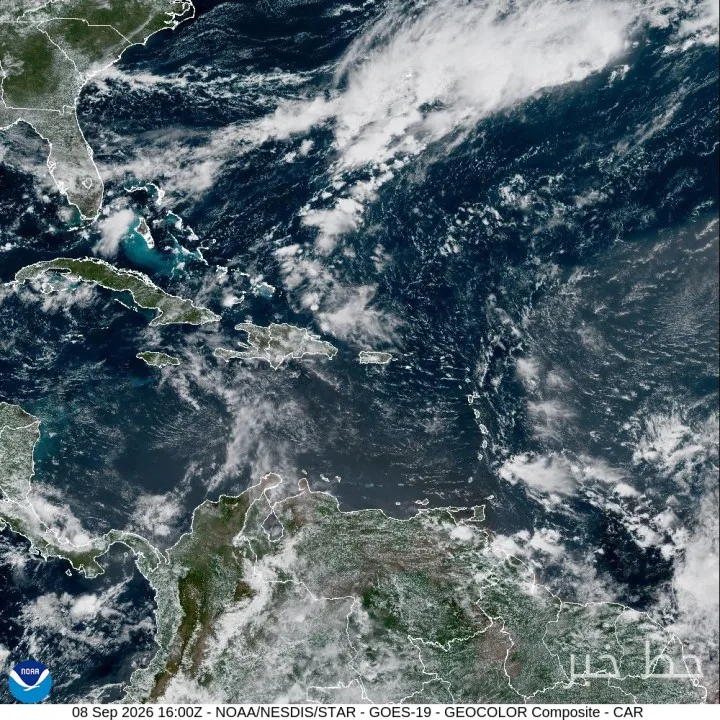
The decrease of warm ocean currents could lead to severe climate changes along the East and Midwest coasts of the United States. This issue indicates the potential impacts on weather patterns and temperatures in these areas.
Impacts on Weather Patterns
Warm ocean currents play a vital role in regulating temperature and weather patterns. These currents help transfer heat from warm regions to cold regions, thus contributing to temperature balance and weather conditions across the globe. With the decrease of these currents, the likelihood of more severe weather conditions in winters increases.
Read more: Turkey is working to transfer energy at COP31
For example, the East and Midwest coasts of the United States are currently not experiencing mild winters, but changes in ocean currents could alter this situation. Increased storm intensity, snowfall, and unusual temperatures could occur, impacting the daily lives of residents in these areas.
Economic and Social Consequences
Climate changes resulting from the decrease of warm ocean currents not only affect the environment but also have economic and social consequences. Various industries, including agriculture and tourism, may be impacted and may need to adapt to new climate conditions.
Moreover, the costs associated with preparing for and adapting to these changes could burden governments and residents. Therefore, forecasting and managing these changes is essential for maintaining the security and well-being of communities.
Read more: Germany has fallen to 25th place in climate action rankings · The Trump administration announced a new plan to sell public lands



