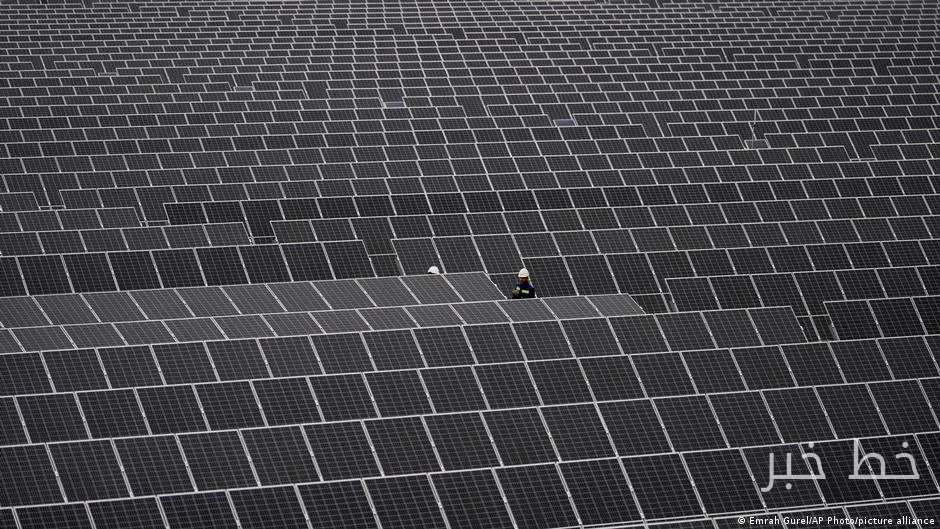
As the host of the 2026 United Nations Climate Change Conference in Antalya, Turkey is rapidly increasing its renewable energy capacity with a focus on reducing global greenhouse gas emissions.
Energy Storage Projects
The country has approved over 33 gigawatts of battery storage projects since 2022, which can supply more than 27 million homes. These projects are part of the largest pipeline of battery projects in Europe and help accelerate the growth of wind and solar energy, which currently accounts for 22 percent of Turkey's electricity, up from just 4.5 percent a decade ago.
Read more: Andy Burnham is going to the COP31 summit in Turkey
Challenges of Coal Dependency
However, this increase in clean energy hardly offsets Turkey's reliance on fossil fuels. Electricity generation from coal in the country has increased by nearly one-third over the past decade and is projected to surpass Germany and Poland by 2024. Turkey is one of the few industrialized countries that has not yet set a date to end coal use, despite it being the fossil fuel with the highest greenhouse gas emissions.
Nevertheless, in June, Turkey announced plans to expand one of its largest coal power plants and nearly double its capacity. This move reflects Turkey's conservative energy policies and inadequate climate goals. The country's current climate goal allows for greenhouse gas emissions to continue rising until 2038, making it difficult to achieve net-zero by 2053.
In addition to climate concerns, Turkey's high dependence on imported fossil fuels makes the country vulnerable to fluctuations in the global oil and gas markets. Currently, Turkey imports 95 percent of its natural gas, 83 percent of its crude oil, and 60 percent of its coal, significantly shaping the country's energy capacity.
This dependency is part of the reasons behind Turkey's efforts to increase electricity at the COP31 summit. In September, the country launched the global "35x35" commitment, aiming to raise electricity in global economies from just over 20 percent today to 35 percent by 2035.
The goal of this commitment is to replace fossil fuels, including in transportation, buildings, and industry, preferably using clean energy, although this is not mandatory. Despite claims, climate analysts say that according to Turkey's national energy plan, the country is only on track for electricity to account for 25 percent of total energy consumption by 2035.
Turkey is one of the Mediterranean countries facing severe climate impacts such as wildfires and heavy flooding. Hosting this summit presents a significant opportunity to accelerate the energy transition.
Read more: COP17 Congress in Armenia reached an agreement on nature conservation · Nepal received $21.6 million from the climate damage fund