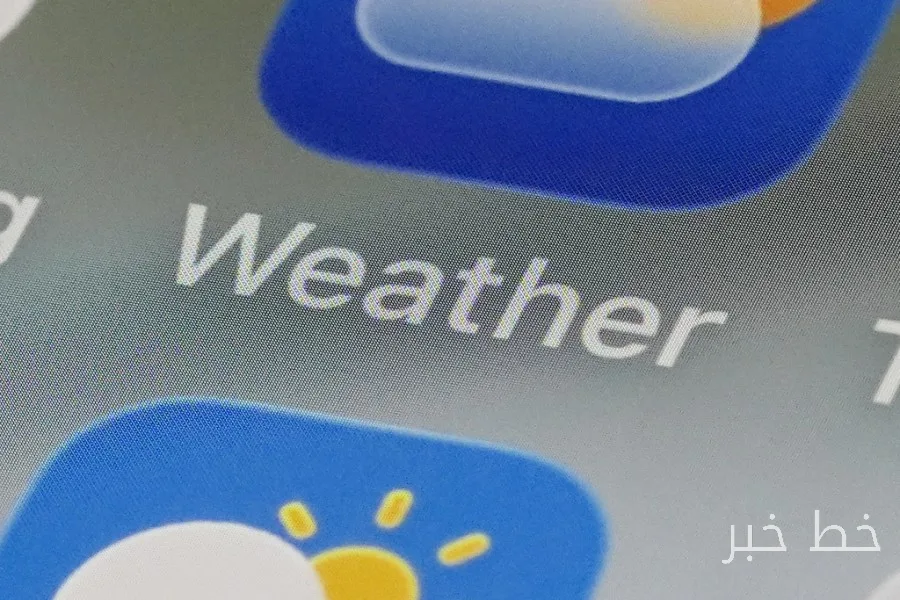
Weather forecasts in mobile applications are used as tools for planning daily activities, but often these forecasts differ greatly from reality. Users may encounter sudden rainfall on sunny days or expect a certain temperature but face higher heat instead.
Reasons for Inaccurate Forecasts
One of the main reasons for inaccurate weather forecasts is the use of complex models and predictive algorithms that may not accurately analyze atmospheric conditions at a specific moment. These algorithms operate based on historical data and weather patterns and may be prone to errors due to rapid and unpredictable atmospheric changes.
Read more: The Emergence of Artificial Intelligence in the Age of Distrust in Information
Weather Changes and Their Impact on Forecasts
Weather changes can naturally affect the accuracy of forecasts. For example, the sudden emergence of air fronts, changes in temperature and humidity can lead to incorrect predictions. Additionally, geographical areas with specific features such as mountains or seas can play a significant role in weather changes.
On the other hand, technological advancements in weather forecasting have also helped improve the accuracy of predictions. However, forecasts are still influenced by unpredictable factors. Therefore, users should keep in mind that the information received from weather applications may not always be accurate.
Consequences of Inaccurate Forecasts
The inaccuracy of weather forecasts can lead to problems in daily planning and important decision-making. For example, farmers may rely on incorrect information and consequently plant or harvest crops at the wrong time. Additionally, individuals with recreational or travel plans may face unstable weather conditions that can affect their experience.
As a result, awareness of the limitations of weather forecasts and considering information from various sources can help users make better decisions and avoid problems arising from sudden weather changes.
Read more: FAA pointed out messaging errors for flight cancellations at northeastern airports · Republican leaders in the House of Representatives discussed artificial intelligence