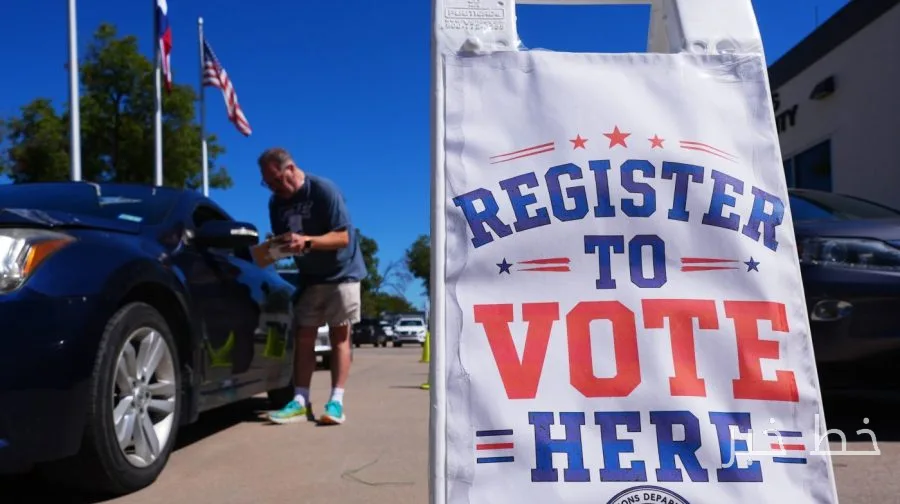
The primaries in the United States have concluded, and as the midterm elections approach, analysts are examining the implications of these results. These elections, which are particularly important for the Democratic and Republican parties, could determine the fate of future general elections.
Changes in Voter Preferences
The results of the primaries indicate significant changes in how people are voting. Polls and analyses report a shift in voter preferences that could benefit one of the parties. In these elections, some candidates were able to overcome their rivals with high public support, indicating a change in attitudes and priorities among voters.
Read more: The House of Representatives has shortened the workweek and will leave Washington on Wednesday
The Art of Politicians Facing Challenges
Politicians must confront new challenges arising from the results of the primaries. Many need to update their strategies and respond to new issues that voters are paying attention to. These challenges include economic, social, and even health issues that are currently receiving more attention in the United States than ever before.
As the midterm elections approach, parties must carefully consider the results of the primaries and use them to formulate their campaign strategies. Analysts believe that these elections could mark the beginning of major changes in the country's political structure, and parties must prepare for these changes.
Ultimately, the primaries not only reflect the current preferences of voters but can also serve as a wake-up call for political parties. If they fail to respond to these changes, they may face serious challenges in the midterm elections.
Read more: Republicans have introduced the SAVE America Act · Republicans are concerned about the implications of their ties to Trump