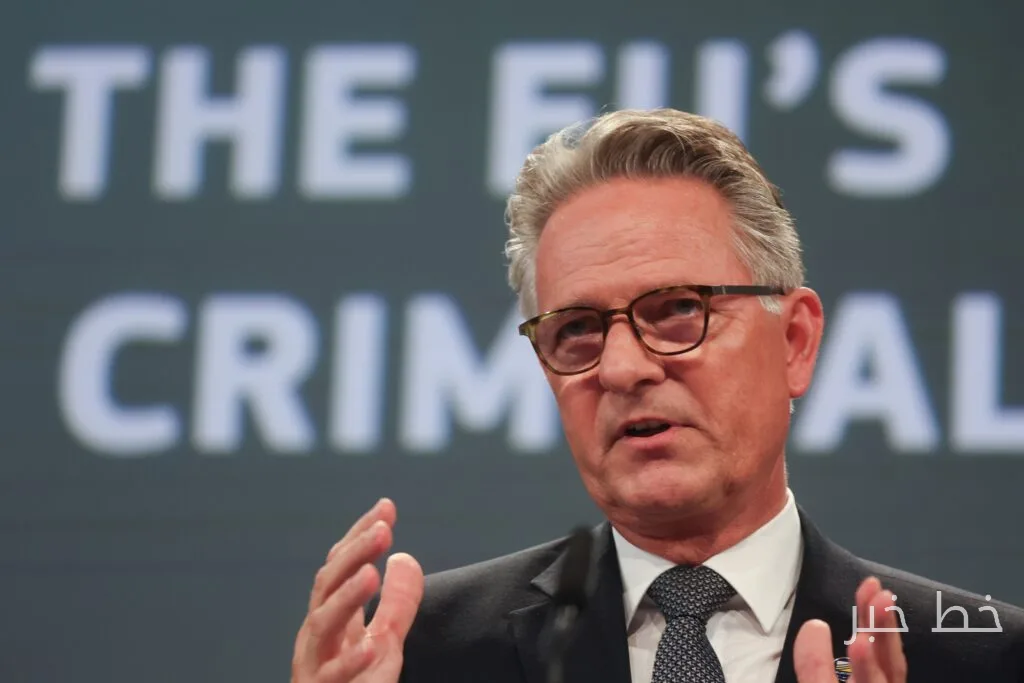
The EU's new plan to equip the Europol police agency with advanced artificial intelligence technologies has raised significant concerns about citizens' privacy. Senior EU officials have warned that the increased AI capabilities of this agency could pose a serious threat to the privacy of Europeans.
New Challenges in the Age of AI
As cybercriminals, terrorists, and spies use AI to carry out criminal activities, Brussels is looking to expand Europol's AI capabilities. This agency has been functioning since 1998 as a center for coordinating police information among European countries. Fabian Keller, a member of the European Parliament, stated that Europol is at a turning point and needs more resources and capabilities to effectively support national law enforcement agencies.
Increased Budget and New Powers
The new plans for transforming Europol, announced this summer, include doubling the agency's budget to 3 billion euros and a more active role in combating new threats. This move reflects the reality that while developers and politicians debate the speed of AI model development, law enforcement agencies are facing criminals who are utilizing the latest technologies.
However, this plan has also raised questions about privacy and governance, sparking intense discussions about the extent of police agencies' powers to protect people from AI threats. Wojciech Wiewiórowski, the head of the EU data protection authority, has supported the strengthening of Europol's powers but emphasized the need for oversight.
Wiewiórowski warned about the importance of monitoring Europol's activities in using new data and AI tools, stating, "There must be oversight. When we talk about strengthening Europol and changes in its scope of activities, we must ask what oversight will be in place for this agency?"
Jürgen Abt, the Deputy Executive Director of Europol, recently emphasized that fighting crime today requires equipping police organizations with full AI capabilities. He said, "AI is changing how crimes are committed across a wide range of criminal activities."
Europol, which has over 1,700 employees, is designed as a center for cooperation with police agencies of European countries to understand and share evidence and information related to criminal investigations. However, while both law enforcement and criminals can access the latest advancements in AI, only police are required to adhere to democratic principles.
Ultimately, the new Europol plans come at a time when the EU data protection authority faces new challenges in monitoring the use of AI. This is while Stephen Dugin, a former cybercrime officer at Europol, believes that law enforcement agencies must overcome the advanced technological and strategic challenges posed by criminals.