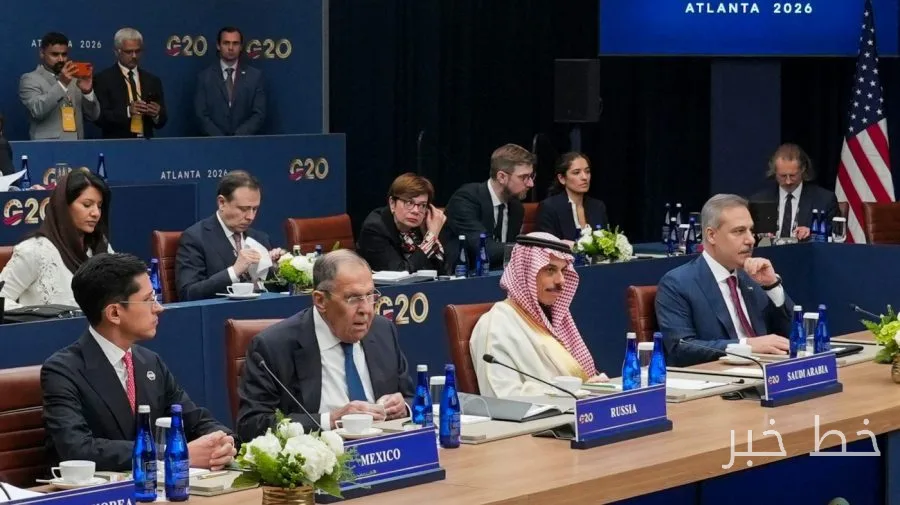
The G20 foreign ministers' meeting was hosted by the United States in Atlanta, and tensions arose among the members of this group as soon as Sergey Lavrov, the Russian Foreign Minister, arrived. Due to these tensions, the foreign ministers decided to cancel the traditional family photo of the meeting. This action reflects significant changes in international diplomacy and the reactions to Russia's actions on the global stage.
Reasons for Canceling the Family Photo
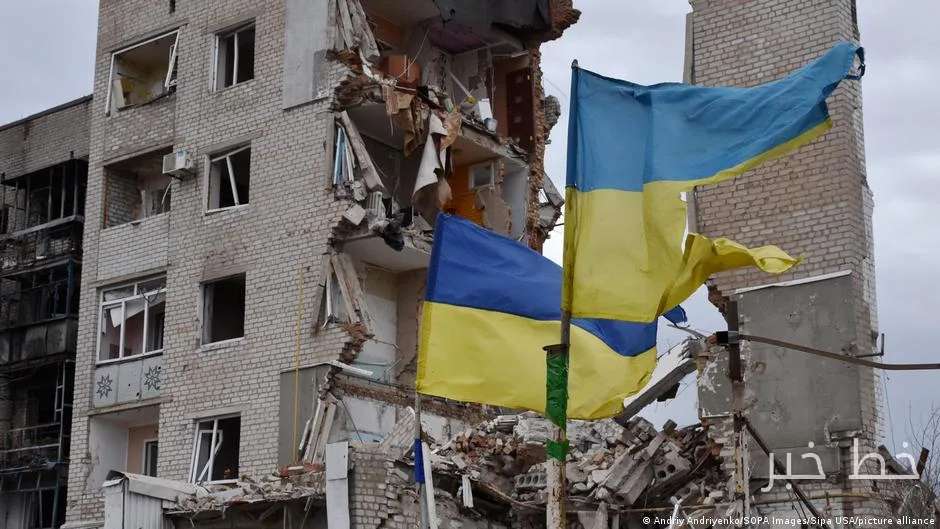
Lavrov's presence at the meeting, due to the existing tensions arising from Russia's military attacks on Ukraine, led to protests from several diplomats from Western countries. These diplomats expressed their unwillingness to take a photo with a representative of a sanctioned country involved in war. This incident clearly illustrates the deep divides between Western countries and Russia in political and military matters.
Read more: Trump Returns to Campaign Rallies in Iowa and Kansas
Consequences of the Meeting
The cancellation of the family photo is not only seen as a symbolic action against Russia but also represents deeper changes in international relations and G20 diplomacy. This meeting clearly highlights the challenges that member countries face with each other and particularly shows the increasing tensions and divisions in response to Russia's actions.
During this meeting, the G20 foreign ministers also discussed other important issues such as climate change, the global economy, and food security. However, the tensions arising from Lavrov's presence and the reactions to it cast a shadow over these important discussions and demonstrated that crises can impact diplomatic processes.
Ultimately, this event is regarded as a turning point in international diplomacy that could have long-term effects on relations among major countries. G20 member countries must carefully pay attention to these developments and seek diplomatic solutions in an effort to manage tensions and maintain global stability.
Read more: The Ministry of Education Released a Manipulated Image of Its Headquarters with a Spirit Halloween Banner · John Kerry Warned Trump Not to Attack Iran