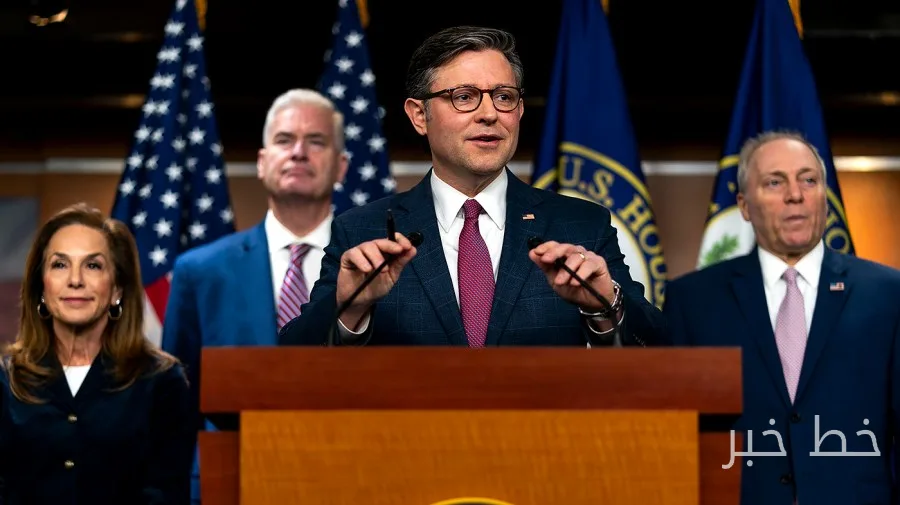
The United States House of Representatives returns to Capitol Hill this week, following the surprising results of the midterm elections that ended unfavorably for the Republicans, placing the Democrats in a stronger position. Now, the Republicans are faced with a greater challenge: a struggle over party leadership in the House as a precursor to a reduction in their power.
Intra-Party Rivalries and Future Challenges
In the wake of these elections, the Republicans are seeking to elect new leadership that can guide them during their time in the minority. These leadership changes could significantly impact future policies and party strategies. Given that the Democrats have maintained control of the Senate, the Republicans must plan to advocate for their interests in the House.
Read more: Russia's Attacks Leave 600,000 Without Power in Eastern Ukraine
Leadership Elections and Their Consequences
The Republican leadership elections will be held soon, and the outcome could determine whether the party can create a united front against the Democrats. Some prominent party members have expressed their support for various candidates, and this could significantly impact democracy and domestic policies in the United States.
In particular, the pressure on the new party leaders to foster unity and restore confidence in the Republicans is strongly felt. If these leaders fail to perform well, the party may face more crises in the future. As a result, this leadership election will not only affect the future of the party but also have implications for the country's broader policies.
Read more: Six People Killed in Shooting in Krakow, Poland · Ron Johnson Calls for Delay in Republican Senate Leadership Elections