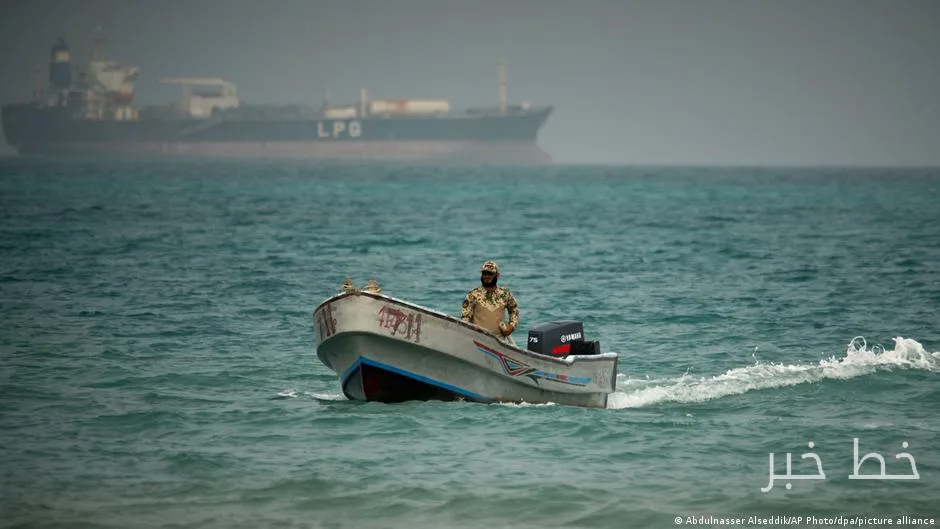
In September, one of the significant Middle Eastern conflicts reached Africa as Iranian-backed Houthi rebels seized Yemen's Perim Island. This island forms the narrow point of the Bab el-Mandeb Strait, connecting the southern entrance of the Red Sea to the Gulf of Aden and is located about 20 kilometers from Djibouti.
Economic Consequences for Africa
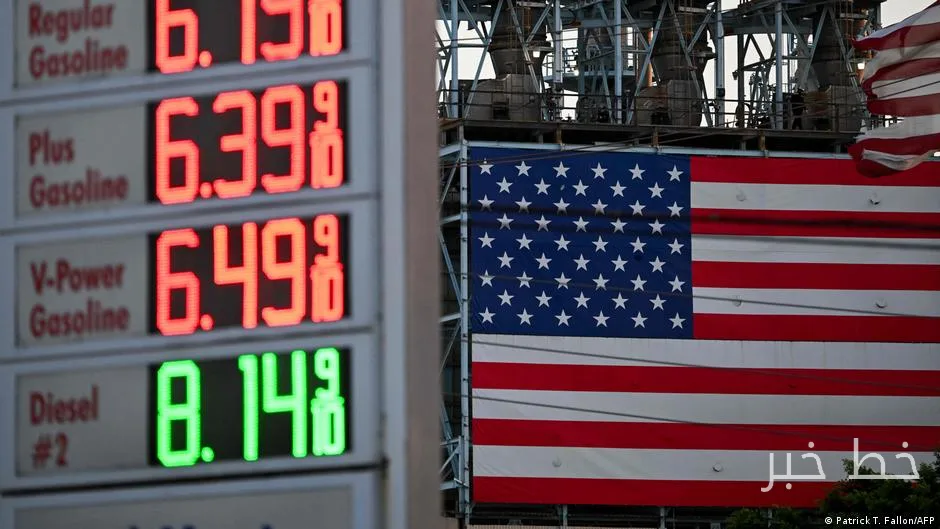
In early October, Yemeni armed forces and their Saudi allies launched a counter-offensive. Since the onset of the Gaza war in 2023, the Houthis have fired upon commercial vessels. African economies are currently suffering from the crisis in the Strait of Hormuz, which has caused shortages and rising prices of fuel and fertilizers.
Read more: The U.S. Congress has reached a $40 trillion debt
With the potential blockage of the Bab el-Mandeb Strait, the situation may worsen. Shipping companies will be forced to transit through the Suez Canal, which is controlled by Egypt, or around the southern tip of Africa. Additional costs will be passed on to consumers.
Refugee Influx and Humanitarian Challenges
The human cost of the escalating conflict in Yemen has quickly impacted Djibouti. According to the UN Refugee Agency, as of September 10, at least 3,700 refugees from Yemen have entered Djibouti. Most of these individuals are women and children who have reached the northern Obock region of Djibouti.
The UN Refugee Agency is preparing to assist another 10,000 individuals who have yet to reach Djibouti. However, Obock, located on the border with Eritrea, has limited water resources, which creates additional challenges.
Alessandra Roccasalo, the UN Development Program representative in Djibouti, states: "We do not have much water; there are no underground water resources. Everything must be supplied through desalination."
Djibouti, with a population of just over one million, is recognized as a significant player in the region. Its location at the entrance to the Red Sea has made it an attractive commercial and military hub. The United States, China, France, Italy, and Japan all have military bases in Djibouti.
The country’s civilian ports serve as transit centers for global goods and containers. So far, the Houthi advance has not led to the emptying of Djibouti's docks. However, Roccasalo warns that "overall, there is economic prosperity here, which means a need for construction materials."
With rising insurance and reinsurance costs, less money is flowing into Djibouti. "Many ships no longer want to pass through the Suez Canal; many others do not want to transit the Red Sea."
Ethiopia, the world's most populous landlocked country, conducts about 95% of its imports and exports through Djibouti's ports. The price increases due to high war insurance premiums have a significant impact on this country.
Following the Houthi seizure of Perim Island, Ethiopia faced another threat: on September 23, conflicts erupted in the Tigray region of the country. Since then, the Ethiopian National Defense Forces have reported advances against the Tigray rebel coalition, which aims to overthrow the national government.
According to some experts, the advances of Ethiopian forces have reduced the threat of another trade blockade, but as long as the conflicts remain unresolved, the situation may worsen again.
In recent months, Ethiopia has suffered more than any other country in Africa from the blockade of the Strait of Hormuz and has at times been forced to ration fuel. In the long term, the country is seeking to reduce its dependence on imports.
Ethiopia and its northern neighbor, Eritrea, have severed diplomatic relations, and other regional powers such as Sudan, Egypt, and Somalia may act in favor of Eritrea instead of Ethiopia. Eritrea sees itself facing threats that the Ethiopian Prime Minister has repeatedly pointed out.
Ultimately, Ethiopia's internal conflicts may escalate into a regional war, which could lead to further restrictions on safe passage through the Bab el-Mandeb Strait and its surrounding waters.
Read more: The interest rate on 10 and 30-year treasury bonds has reached its highest level in 24 years · The impact of Houthi conflicts on the economies of Red Sea coastal countries in Africa