The increase in cancer rates in Iowa and its connection to agricultural pollution has turned into a serious crisis. This issue, especially on the eve of the midterm elections where Iowa has significantly leaned towards Republicans, presents new challenges for candidates and voters. Iowa currently has the second-highest rate of new cancer cases in the United States, raising widespread concerns among residents and public health officials.
Public Health Crisis in Iowa
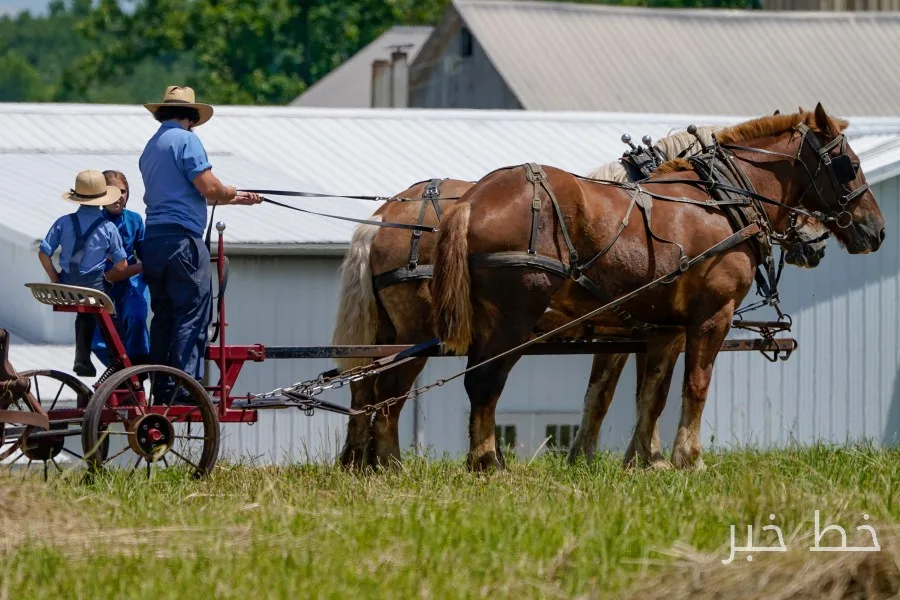
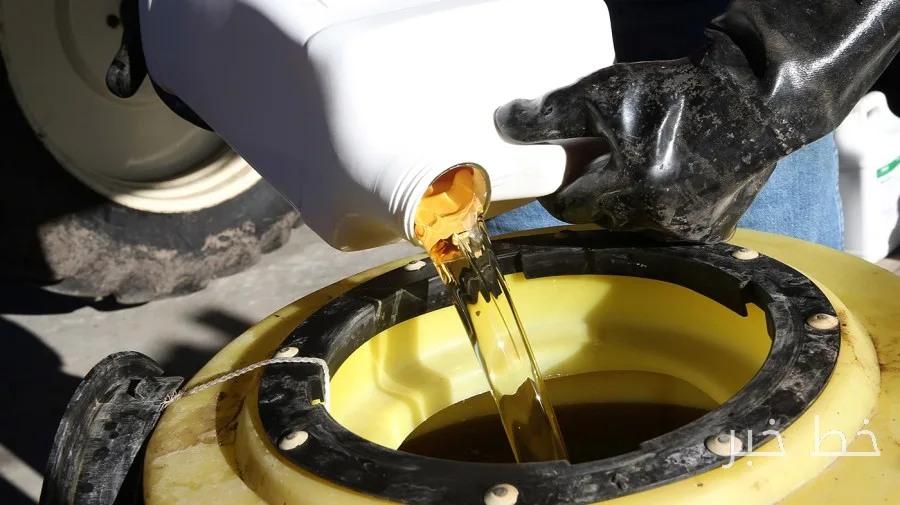
The high cancer rates in Iowa are due to multiple factors, one of which is pollution from agriculture. The use of chemicals and pesticides in farming can lead to soil and water contamination, which can increase the risk of various diseases, including cancer. This situation is particularly concerning as Iowa is one of the major agricultural centers in the United States, significantly impacting the lives of the people in the state.
Read more: Bayer Wins in Court Over Cancer Caused by Roundup Herbicide
Political and Social Implications
This crisis directly affects the midterm election process. Candidates now must address issues related to public health, which can influence voter decision-making. Concerns related to public health typically attract more attention and can affect electoral priorities. Therefore, candidates need to actively engage with this issue and propose solutions to tackle this crisis.
Given that Iowa has leaned towards Republicans in recent years, this crisis could change the way voters cast their ballots and their attitudes towards politicians. In this context, candidates must pay attention to the health concerns of the public and provide tangible solutions to mitigate health risks. This situation may reshape the upcoming elections in Iowa and impact their outcomes.
Ultimately, the increase in cancer rates and its connection to agricultural pollution is not only a health issue but also a political challenge that could affect Iowa's political future.
Read more: Krista Pike Reports on Ongoing Pain After Botched Execution · Haley Stevens Defends Her Sudden Support for Mike Rogers