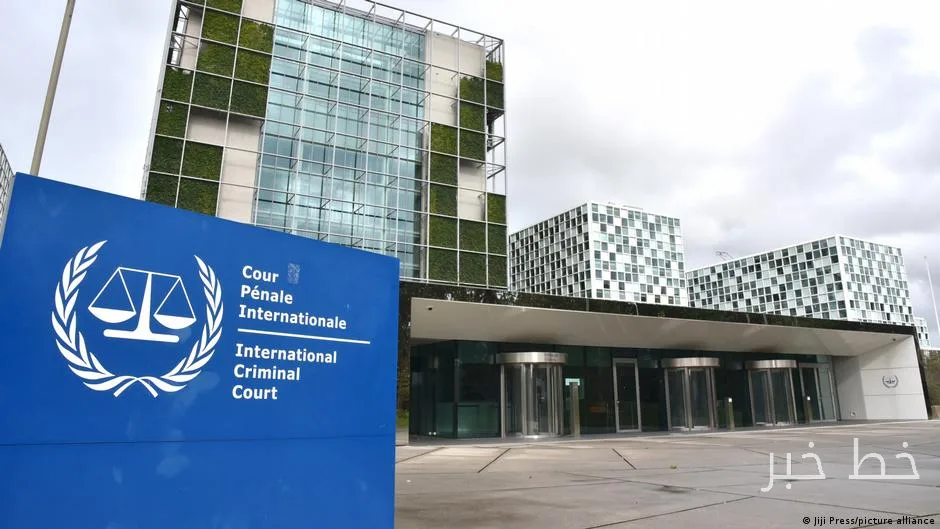
The International Criminal Court (ICC) has been recognized as the winner of the 2023 Sakharov Prize. This award, given by the European Union to individuals and organizations for their efforts in supporting and protecting human rights and democracy, reflects the importance of the court's work in upholding international law and justice.
Acknowledgment of Existing Challenges
Roberta Metsola, President of the European Parliament, announced that this award is given at a time when the court and its officials are facing unprecedented challenges. She emphasized that sanctions aimed at disrupting the court's judicial functions continue. Metsola also mentioned two other nominees for the award, imprisoned Tanzanian lawyer Tundi Lissu and imprisoned Iranian twin sisters, Taraneh and Romina Rahimi.
Read more: The Al-Sayed and Rogers Controversy in the Last Senate Debate in Michigan
History of the Court and Its Importance
The International Criminal Court was established in 2002 in The Hague and is responsible for prosecuting the most serious crimes, including genocide, crimes against humanity, and war crimes. The court has recently been subjected to sanctions by the United States government, particularly during the presidency of Donald Trump, which imposed sanctions due to claims of political bias. Additionally, the ICC has recently issued an arrest warrant for Israeli Prime Minister Benjamin Netanyahu for war crimes in Gaza.
The awarding of the Sakharov Prize to the International Criminal Court signifies greater support for this international institution. This prize, awarded annually by the European Parliament to individuals who work in defense of human rights and fundamental freedoms, was established in 1988 and is named after Andrei Sakharov, a human rights activist and Nobel Peace Prize laureate. Previous winners of this award include Nelson Mandela (1988) and Aung San Suu Kyi (1990).
The award ceremony will take place in December, providing an opportunity to emphasize the importance of the court's work in maintaining international justice.
Read more: German Public Service Websites Back Online After PHP Vulnerability Fixed · EU Agency for Fundamental Rights Warns of Serious Risks at Borders