The International Energy Agency has identified the crisis resulting from the February war as the greatest threat in history to energy security and has addressed the dimensions of this crisis in its annual report. This report was published on Thursday, November 19, 2026 (Aban 28, 1405) and describes the current state of the energy market and the challenges it faces.
Current Status of Oil Exports from the Hormuz Strait
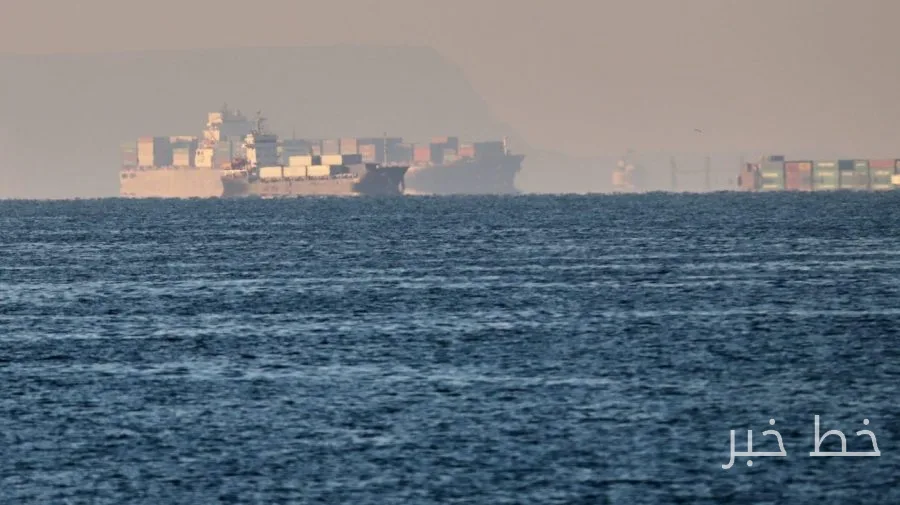
The Hormuz Strait, through which about one-fifth of the world's oil shipments pass, is currently facing numerous problems due to crises stemming from the war. Since February, Gulf countries have encountered challenges in oil exports, and U.S. efforts to secure this route have yet to resolve supply disruptions.
Read more: The Hormuz Strait Remains a Source of Iranian Influence
The International Energy Agency estimates that the cumulative supply loss from the Gulf has reached 2.8 billion barrels of oil and 60 billion cubic meters of gas. Given the global oil consumption of nearly 100 million barrels per day, this amount is equivalent to 28 days of total global consumption. This situation has increased costs for consumers and heightened concerns about energy security.
Consequences of the Crisis and Future Changes
Fatih Birol, the Executive Director of the Agency, noted in the preface of the report that the energy world will never return to the pre-war state and that the dimensions of this crisis surpass the oil shocks of the 1970s. Governments are trying to reduce costs by supporting households and implementing energy policies, but consumers still face higher prices and, in some cases, supply shortages.
For the first time, the Agency has examined the "complementary response" scenario, in which governments shift towards electrification, conservation, and reducing dependence on imported fuels. In this scenario, global oil demand is expected to reach 97 million barrels per day by 2035. Additionally, electric vehicles could reduce oil demand by more than 11 million barrels per day.
In the intermediate scenario, oil demand is projected to peak by 2030 and then gradually decline. Meanwhile, gas demand is expected to increase until 2035, and the share of electricity in global final energy consumption will approach 30 percent.
Moreover, for the first time, the demand for cooling buildings has surpassed the demand for heating, driven by rising temperatures and income. The use of air conditioning is considered one of the main factors contributing to the growth in electricity consumption.
Read more: Oil Prices Drop After Release of Draft Peace Agreement with Iran · End of U.S. War with Iran According to Donald Trump