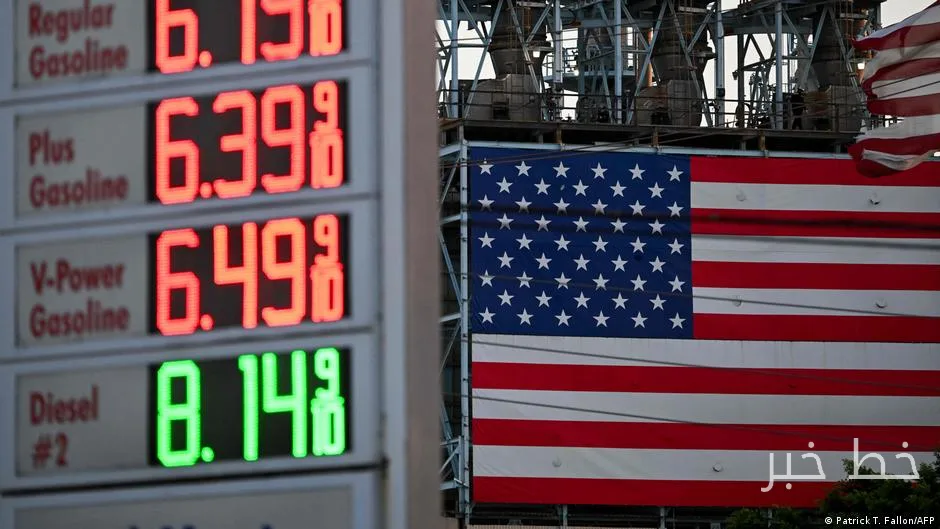
The International Monetary Fund (IMF) has signed a staff-level agreement with Pakistan that could provide access to approximately $1.21 billion (around €1 billion) in financing. This announcement comes as Pakistan grapples with rising food and fuel prices, as well as high unemployment rates.
Details of the Agreement and Pakistan's Economic Situation
The financial rescue agreement still needs approval from the IMF's executive board. Eva Petrova, the Fund's negotiator, stated that Pakistan has effectively navigated the impacts of Middle Eastern conflicts and has implemented strong policies to maintain its macroeconomic stability.
Read more: U.S. Trade Deficit Decreases to $105.6 Billion in August
According to the Fund, Pakistan's economy grew by 4 percent in the first quarter of the fiscal year 2026, and annual growth is expected to reach 3.6 percent. Petrova also attributed the weakness in economic growth to "rising energy prices and supply disruptions."
Economic Weaknesses and Dependence on External Financing
The inflation rate decreased to about 10.3 percent in September, after peaking in May. Additionally, core inflation has remained under control. Pakistan continues to rely on external financing to bolster its foreign reserves and service its debts. Ongoing conflicts in the Middle East make the country particularly vulnerable, as it depends on energy imports from Gulf countries as well as remittances and financing from the region.
In recent times, Pakistan has had to turn to the International Monetary Fund to cope with a severe balance of payments crisis in Islamabad. This dependence on external financing could pose further challenges for the country's economy in the future.
Read more: Increase in Mortgage Rates Affects Housing Market and Republicans · Elaine Parker Links Increased Support for Small Businesses to the Ineffectiveness of Socialism