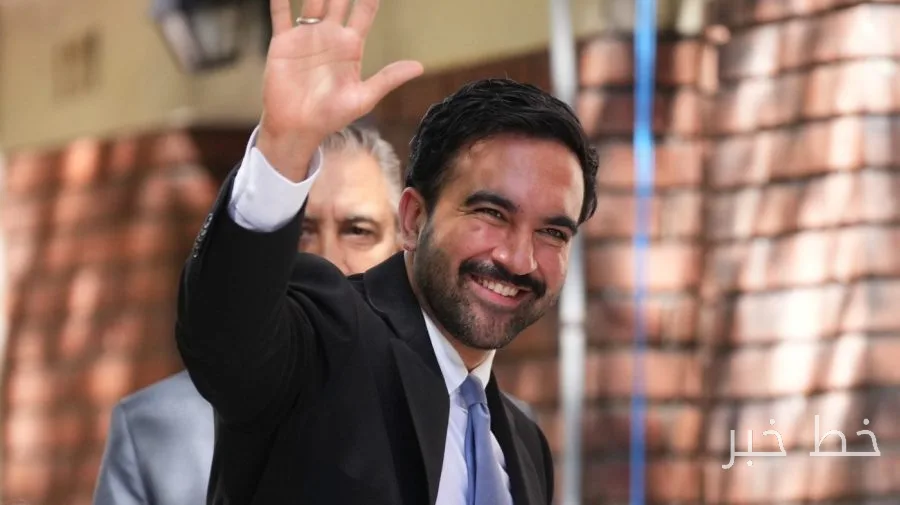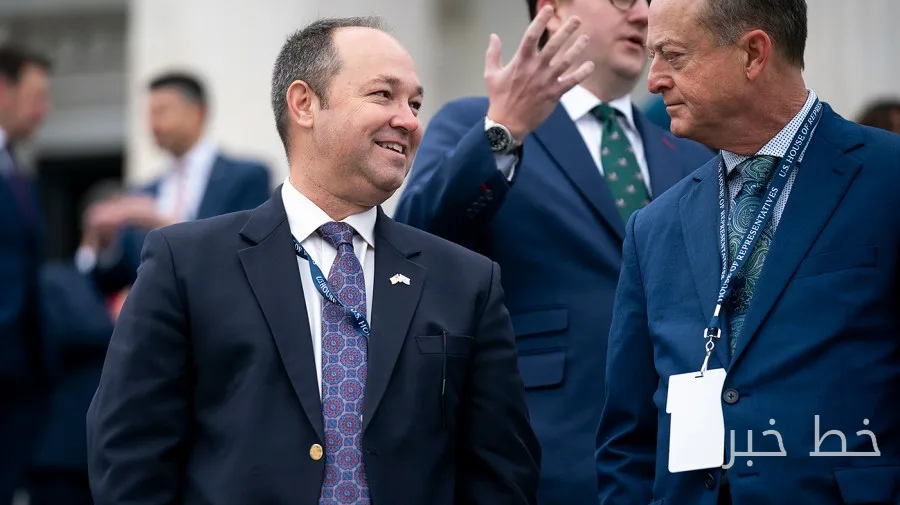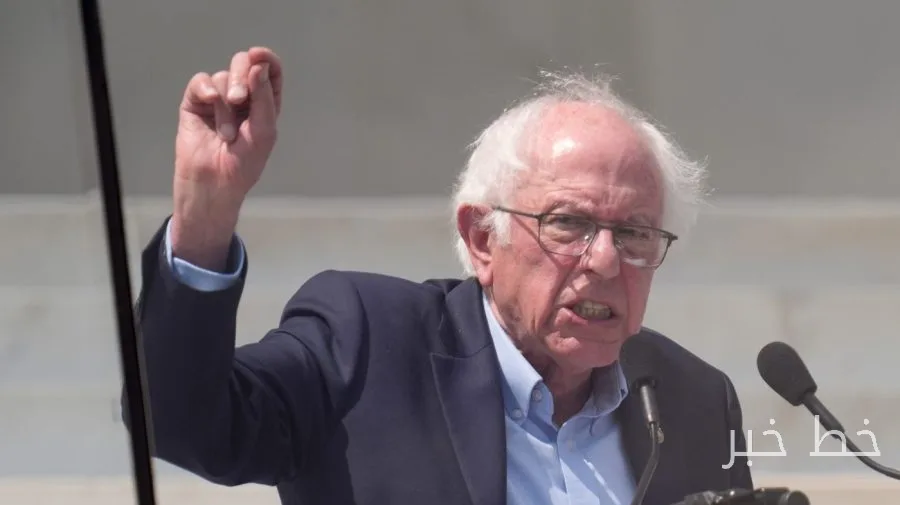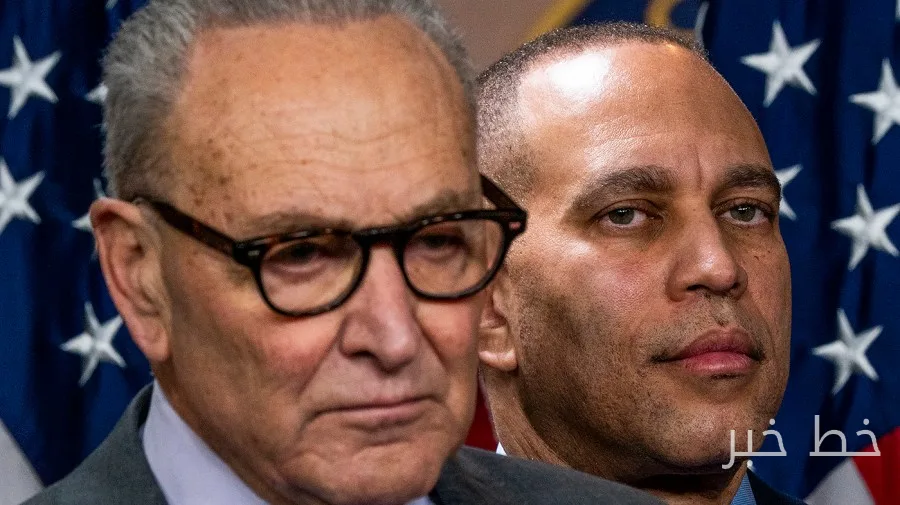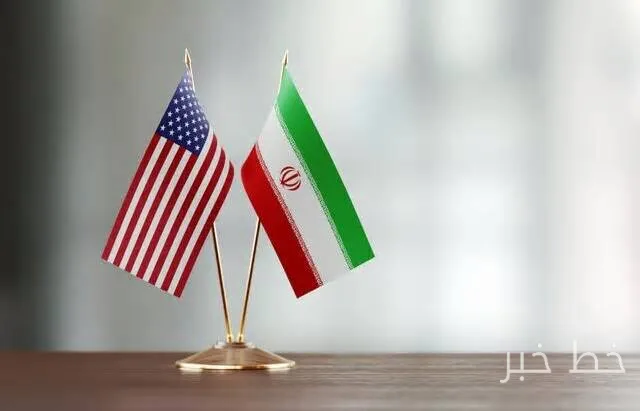
The Iran-U.S. dispute has entered a new and sensitive phase. This comes as negotiations between the two countries have been severely affected by existing tensions and complex political issues. Now, given the current conditions, it seems that negotiations do not mean surrender and should be taken seriously.
The Message from the U.S. Vice President and Its Implications
The recent message from the U.S. Vice President has been put forward to resume negotiations with Iran. This action can be seen as an attempt to deceive and buy time, especially as key players in the foreign policies of both countries are changing. This message clearly indicates that negotiations can be used not only to resolve issues but also as a tool for controlling and managing tensions.
Read more: The Results of the Israeli Elections Heightened Democrats' Concerns
Consequences of No Agreement and Continued Tensions
If no agreement is reached and tensions continue, Iran and the U.S. may move towards increasing military and political tensions. This could have severe consequences for both countries and the region as a whole. In this situation, it is also very necessary to pay attention to the economic and social repercussions resulting from these tensions. Undoubtedly, the continuation of this situation could negatively impact global oil markets and regional economies.
Given these conditions, it is essential for both sides to seek solutions to reduce tensions and improve the diplomatic atmosphere in a way that leads to stability and peace in the region. This issue will not only benefit Iran and the U.S. but also the entire global community.
Read more: Roger Marshall Justified Trump's Decision to Cancel the Kansas Rally · South Korea is Concerned About Being Overlooked in U.S.-North Korea Interactions