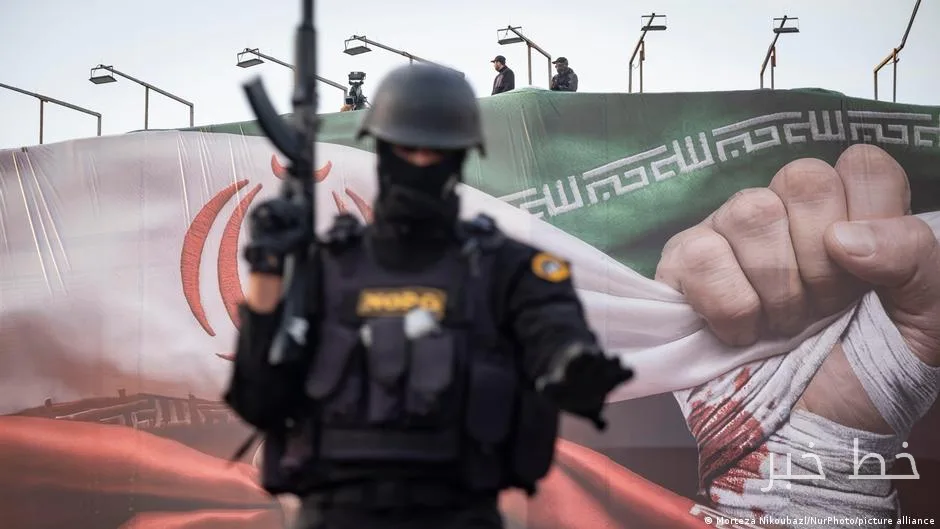
The Iranian regime, in a critical situation, is looking for scapegoats, and independent journalists, including those who have lived in exile for years, are at the top of their list.
Seizure of Journalists' Assets
At the end of September, Iran's judiciary announced that the assets of individuals accused of "collaborating with enemy governments" would be seized. This action is part of a plan targeting around 400 individuals residing abroad, including journalists, activists, artists, and athletes.
Read more: Increasing Concerns About Antisemitism in Europe
Amir Soltani-Zadeh, a freelance journalist in exile who occasionally works for international media, found his name on a list from the Iranian government, which state media labeled as "traitors to the homeland." In an online post, he shared a photo of his library and wrote: "This library is my only asset in Iran. If you enjoy reading books, go ahead and seize it."
Consequences of Pressures on Families
Soltani-Zadeh also announced that his bank account in Iran, which had the equivalent of 500 euros, has been frozen. He used this money to buy gifts and flowers for his family members on special occasions. He called this action "injustice" and said: "I have not acted against Iran. Every position I have taken ultimately aims to improve the lives of people in Iran."
He added that some of his relatives have cut ties with him due to his work in journalism. Soltani-Zadeh said: "When people hear that a journalist is working abroad, some who accept the government's narrative automatically equate that person with a spy."
Pressure on independent journalists is part of a recurring pattern in the Islamic Republic of Iran. During times of political tension, Western media and journalists are often portrayed as agents of enemy intelligence services like the CIA or Mossad.
Officials have many tools for spying on journalists, including hacking social media accounts and eavesdropping on conversations, which are later used as evidence against their contacts inside Iran.
Challenges of Journalism in Iran
A journalist in Iran, who wished to remain anonymous, said that reporting on detainees, state executions, and the treatment of protesters comes with many risks and limitations. He added: "Journalists can only write in a limited and censored manner on their personal pages."
Journalists based in Iran must consider the potential legal consequences of their work. This, in turn, limits their ability to conduct independent investigations, maintain contact with sources, and follow sensitive issues.
Article 24 of the Iranian Constitution guarantees press freedom. However, the press law has been amended and expanded several times over the past four decades. This law requires media not to harm the Islamic Republic and not to insult clerics or the Supreme Leader.
Many journalists are forced to leave the country due to ongoing pressures and the dangers of being targeted by officials. Omid Barin, another freelance journalist who occasionally works for media outlets, said: "Because of my journalism work, I had to go into exile."
Barin focuses on issues such as human rights violations and the status of ethnic minorities in Iran. He said: "These pressures have certainly made me much more cautious and sensitive in my communication with sources inside the country so as not to put them at risk."