The Makkah Defense Pact, signed on August 7, 2026, by Mohammed bin Salman, the President of Turkey Recep Tayyip Erdoğan, and the Prime Minister of Pakistan Shahbaz Sharif, means that any armed attack on one of these three countries is considered an attack on all of them.
Challenges Facing the Implementation of the Makkah Pact
According to Borcu Özçelik, a senior Middle East security researcher at the Royal United Services Institute, Ankara and Islamabad are looking to strengthen Saudi Arabia's position against the threat of the Houthis and want to demonstrate that the Makkah agreement can withstand a real test. However, he pointed out the lack of operational details of this agreement, stating: "This is not unusual in military operations with multiple sensitivities."
According to the Global Military Power Ranking in 2026, Saudi Arabia, Pakistan, and Turkey have a total of about 1.4 million active personnel, as well as 3,400 aircraft, 6,000 tanks, and over 340 naval assets.
Recent Developments in Yemen and Turkey's Role
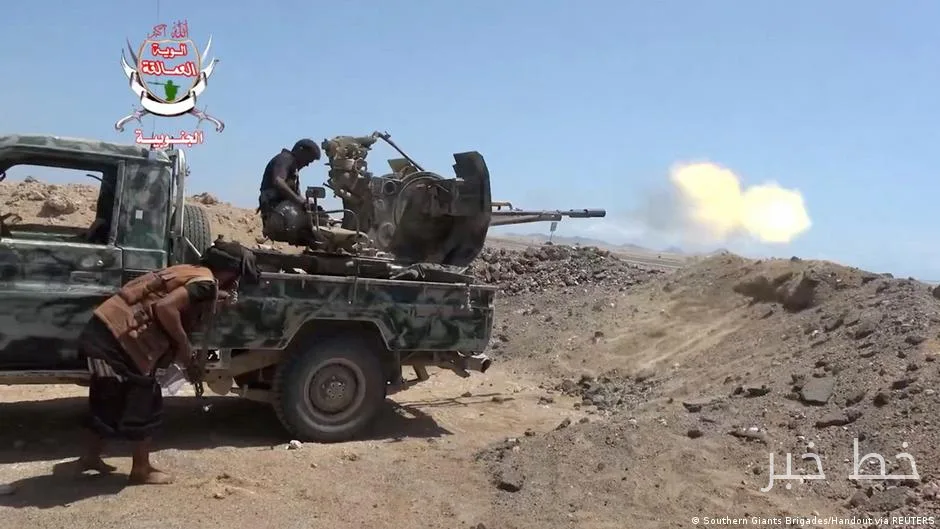
On Wednesday, Saudi Arabia intercepted a ballistic missile in northern Riyadh. Earlier this week, Saudi-backed Yemeni government forces launched a major offensive to reclaim territory along the Red Sea coast. Saudi Arabia also conducted airstrikes to support this offensive.
The potential military role of Turkey is still unclear. Turkey's Foreign Minister, Hakan Fidan, mentioned in a recent meeting in Riyadh that military options are not the only way forward and that peaceful solutions are also being discussed.
Criticism of Turkey's role in the Makkah Defense Agreement has been raised by opposition parties in the country. According to the Turkish Constitution, international agreements generally require approval from the Turkish Grand National Assembly, which has not yet been granted.
On the other hand, Pakistan's Defense Minister, Khawaja Muhammad Asif, stated that Pakistan and Turkey have a supportive role, with their forces participating in reconnaissance activities and other matters, while Saudi forces are engaged in combat.
Analysts believe that Pakistan's direct involvement in Yemen alongside Saudi Arabia could affect the country's neutral status as a mediator in the U.S.-Iran war and worsen relations with Tehran.
Hisham Alami, an analyst on Yemen conflicts, stated that the presence of foreign forces in Yemen may not weaken the Houthi group and, conversely, could strengthen their local alliances and increase recruitment of new forces.
Read more: Group Hunger Strike at ICE Center in Georgia · Black Smoke Seen Near King Khalid International Airport in Riyadh